




 Insurance
Laparoscopic Surgery in Kerala: Benefits, Common Procedures and What Patients Should Know
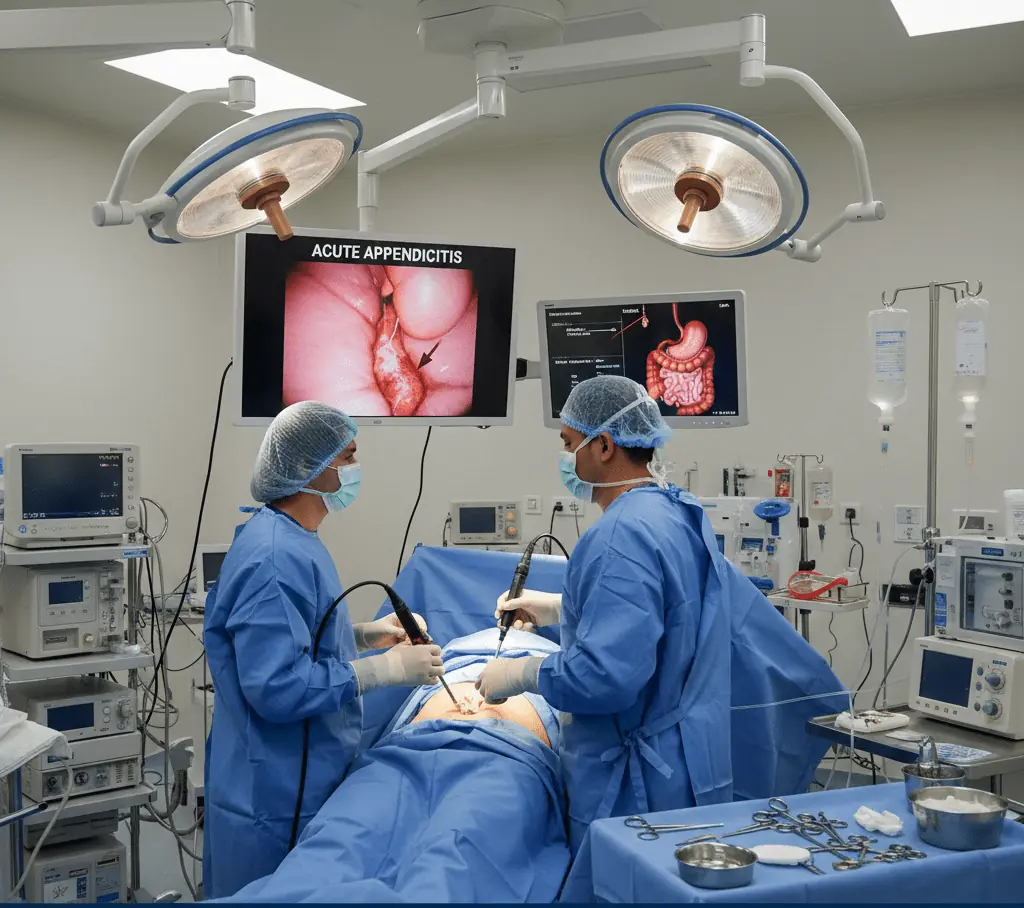
The idea of having surgery can naturally lead to many questions. Patients often want to understand how much discomfort they might feel, how long their hospital stay will be, and when they can resume their usual activities. Thanks to advancements in medical science, many surgical issues can now be treated with less invasive methods. One example is laparoscopic surgery, also called keyhole surgery. Instead of making a big cut, doctors use small openings and special tools to carry out the operation.
For patients considering laparoscopic surgery in Kerala or South India, understanding the procedure, its potential benefits, and the recovery process can help them make informed decisions about their healthcare. At SP Medifort Hospital, Thiruvananthapuram, the General & Laparoscopic Surgery team provides comprehensive surgical evaluation and treatment using appropriate modern techniques based on each patient’s condition.
What Is Laparoscopic Surgery?
Laparoscopic surgery is a type of minimally invasive surgery performed through small incisions, usually in the abdomen. During the procedure, the surgeon inserts a thin instrument called a laparoscope through one of the small incisions. The laparoscope has a camera and light that provide a clear, magnified view of the surgical area on a monitor. Specialized surgical instruments are then inserted through additional small incisions to perform the required procedure. Compared with traditional open surgery, this approach generally involves smaller surgical incisions. Depending on the type of procedure, general anaesthesia may be required.
Why Is Laparoscopic Surgery Used?
Advances in minimally invasive surgery have made laparoscopic techniques suitable for treating and diagnosing a variety of conditions. However, the approach is not appropriate for every patient. The decision depends on the patient’s medical history, overall health, and the nature and complexity of the condition.
Common procedures that may be performed using laparoscopic techniques include:
- Laparoscopic gallbladder removal (cholecystectomy)
- Laparoscopic appendectomy
- Laparoscopic hernia repair
- Selected gastrointestinal procedures
- Certain colorectal procedures
- Bariatric and weight-loss procedures
- Diagnostic laparoscopy
- Selected gynaecological procedures
Your surgeon will assess your condition and recommend the most appropriate treatment based on your individual needs.
What Are the Benefits of Laparoscopic Surgery?
The minimally invasive nature of keyhole procedures is one of the reasons they are widely used in modern surgical care. For suitable patients, the approach may offer several potential benefits.
Smaller Incisions
Laparoscopic procedures generally involve several small incisions instead of one large surgical cut. This can result in smaller scars and less disruption to surrounding tissues.
Less Postoperative Discomfort
Some patients may experience less discomfort after minimally invasive procedures because the incisions are smaller. However, pain levels vary depending on the type of surgery and the individual’s response to treatment.
Potentially Faster Recovery
For certain procedures, patients may return to their normal activities sooner than they might after conventional open surgery. Recovery times vary depending on the procedure, overall health, and individual healing.
Shorter Hospital Stay
Some patients undergoing laparoscopic procedures may be able to leave the hospital sooner than those undergoing certain open procedures. The actual length of stay depends on the type of surgery and the patient’s recovery.
Smaller Wounds
Smaller surgical wounds may reduce the risk of certain wound-related complications. However, every surgical procedure carries potential risks, and your surgeon will discuss these with you before treatment.
Laparoscopic Surgery vs Open Surgery
Both laparoscopic and open surgery have an important role in modern healthcare. The main difference is how the surgeon accesses the area that requires treatment.
Open surgery generally involves a larger incision that provides direct access to the surgical site.
Laparoscopic surgery uses smaller incisions through which a camera and specialized instruments are introduced. Although minimally invasive techniques offer several potential benefits, they are not always the best option for every patient. In some situations, open surgery may provide safer or more appropriate access to the affected area. In certain cases, a procedure that begins laparoscopically may need to be converted to open surgery if the surgical team determines that doing so is safer for the patient.
What Happens Before Laparoscopic Surgery?
Proper preparation is an important part of successful surgical care. Before the procedure, your surgeon will review your symptoms, medical history, previous surgeries, current medications, allergies, and existing health conditions. Depending on your condition, you may also need diagnostic tests such as blood investigations or imaging studies.
Before surgery, you may receive instructions regarding:
- Food and fluid intake
- Regular medications
- Existing medical conditions and allergies
- Preoperative investigations
- Anesthesia assessment
- Arrangements for transportation and recovery at home
Following your healthcare team’s instructions carefully can help ensure that you are properly prepared for the procedure.
What Is Recovery Like After Laparoscopic Surgery?
Recovery varies from person to person and depends largely on the type of procedure performed. Some patients may experience temporary abdominal discomfort, tiredness, bloating, or mild pain following surgery. Your healthcare team will provide personalized instructions regarding:
- Wound care
- Prescribed medications
- Physical activity
- Follow-up appointments
- Returning to work and exercise
The recovery time after laparoscopic surgery can vary significantly depending on the procedure and the patient’s overall health. It is important to follow your surgeon’s advice rather than comparing your recovery with someone else’s.
Is Laparoscopic Surgery Suitable for Everyone?
No. While minimally invasive techniques are suitable for many patients, the decision must be made on an individual basis. Your surgeon may consider:
- The type and severity of your condition
- Previous abdominal surgeries
- Your overall health
- Existing medical conditions
- The complexity of the procedure
- Results of diagnostic tests
- Potential surgical risks
After evaluating these factors, your surgeon can explain whether laparoscopic surgery, open surgery, or another treatment option is most appropriate for you.
Choosing a Hospital for Laparoscopic Surgery in South India
Patients searching for laparoscopic surgery in South India often consider several factors before choosing a hospital. These may include the experience of the surgical team, available diagnostic facilities, anaesthesia support, postoperative care, emergency services, and overall hospital infrastructure. Kerala, particularly Thiruvananthapuram, is an important healthcare destination in South India, offering access to a wide range of specialist medical and surgical services. When choosing a hospital, it is important to look beyond the procedure itself. Comprehensive care before, during, and after surgery can play an important role in the overall treatment experience.
Laparoscopic Surgery in Trivandrum
For patients searching for laparoscopic surgery in Trivandrum or laparoscopic surgery in Thiruvananthapuram, consulting a qualified surgeon is an important first step. At SP Medifort Hospital, the general & laparoscopic surgery department provides evaluation and surgical care for conditions that may require operative treatment. The hospital’s multidisciplinary healthcare environment also provides access to diagnostic, medical, anaesthesia, critical-care, and postoperative support when required.
When Should You Consult a Surgeon?
You should consider consulting a surgeon if you have persistent symptoms or have been diagnosed with a condition that may require surgical treatment. Common reasons for a surgical consultation include:
- Gallstones
- Hernia
- Appendicitis
- Persistent abdominal pain
- Certain gastrointestinal conditions
- Conditions requiring gallbladder or appendix removal
Selected conditions that may benefit from minimally invasive treatment Seeking medical advice at the right time can help identify the underlying cause of your symptoms and determine the most appropriate treatment option.
Making an Informed Decision About Laparoscopic Surgery
Modern minimally invasive surgery has transformed the treatment of many common surgical conditions. Smaller incisions, potentially less postoperative discomfort, and a quicker return to daily activities can make this approach suitable for many patients.
However, surgery is not a one-size-fits-all treatment. The most appropriate approach depends on your diagnosis, medical history and the surgeon’s assessment.
If you are considering laparoscopic surgery in Kerala, exploring laparoscopic surgery in South India, or looking for laparoscopic surgery in Trivandrum, it is important to consult a qualified surgical team and
Understand your treatment options.
At SP Medifort Hospital, Thiruvananthapuram, patients can consult the General & Laparoscopic Surgery team for evaluation, treatment planning, and personalized surgical guidance.
Conclusion
Laparoscopic surgery is an important part of modern surgical care and provides a minimally invasive option for many conditions. Smaller incisions and potential recovery benefits can make it a suitable choice for eligible patients.
However, the right surgical approach is different for every individual. A proper medical evaluation is essential to understand whether minimally invasive treatment or another surgical approach is appropriate. If you are considering laparoscopic surgery in Kerala, laparoscopic surgery in South India, or laparoscopic surgery in Trivandrum, consult the experienced surgical team at SP Medifort Hospital, Thiruvananthapuram, to discuss your condition and available treatment options.