




 Insurance
When Should You See a Neurologist? A Complete Guide to Neurological Care in South Kerala
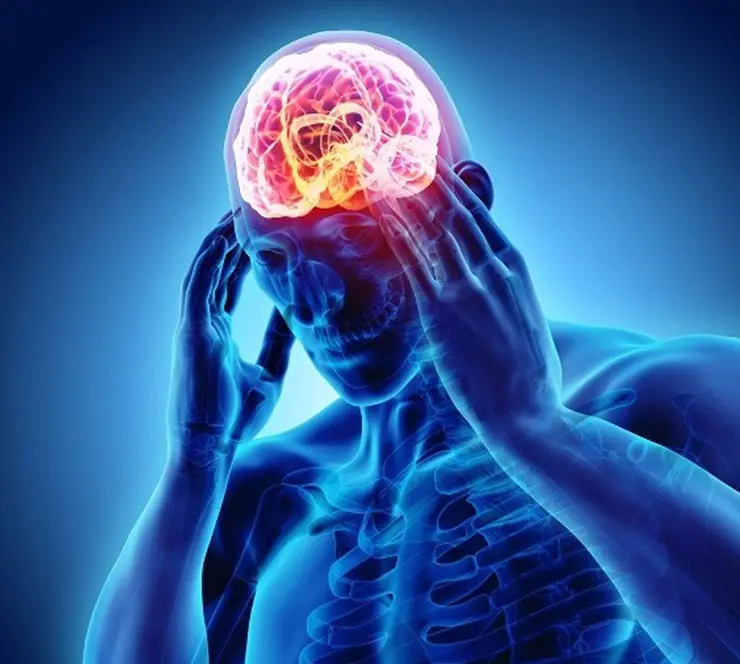
Your brain, spinal cord, nerves, and muscles control many important functions, including movement, memory, speech, balance, sensation, and coordination. When something affects the nervous system, the symptoms can range from frequent headaches and dizziness to numbness, seizures, weakness, memory problems, and difficulty walking.
But when should you see a neurologist?
Knowing the warning signs of neurological conditions can help you seek medical attention at the right time. If you are looking for a neurologist in South Kerala, understanding common neurological symptoms, conditions, diagnoses, and treatment options can help you make informed healthcare decisions.
What Does a Neurologist Treat?
A neurologist is a specialist who diagnoses and manages conditions affecting the brain, spinal cord, nerves, and muscles.
Neurologists commonly treat and manage:
- Migraine and other headache disorders
- Stroke
- Epilepsy and seizures
- Parkinson’s disease
- Peripheral neuropathy
- Memory and cognitive disorders
- Movement disorders
- Nerve and muscle disorders
- Balance and coordination problems
- Multiple sclerosis
- Certain sleep-related neurological conditions
If you experience persistent or unexplained symptoms affecting your brain or nervous system, a neurology specialist in Kerala can evaluate the possible causes.
When Should You See a Neurologist?
You may need a neurologist consultation when symptoms are persistent, recurring, worsening, unexplained, or affecting your daily life.
Here are some common signs that may require neurological evaluation.
1. Frequent or Severe Headaches
Most headaches are not caused by serious neurological conditions. However, frequent, severe, or changing headaches should be evaluated by a doctor.
You should consider medical advice if your headaches:
- Occur frequently
- Become more severe over time
- Suddenly change in pattern
- Interfere with daily activities
- Occur with vomiting or visual disturbances
- Are associated with weakness, numbness, confusion, or speech problems
A neurologist can determine whether the symptoms may be related to migraine, another headache disorder, or an underlying neurological problem.
Patients searching for migraine treatment in Kerala or headache treatment in Kerala should receive a proper medical assessment before starting treatment.
2. Sudden Weakness or Numbness
Sudden weakness or numbness, especially on one side of the body, can be an important warning sign of stroke.
Other stroke symptoms may include:
- Facial drooping
- Difficulty speaking
- Confusion
- Difficulty understanding speech
- Sudden vision problems
- Difficulty walking
- Loss of balance or coordination
If these symptoms develop suddenly, seek emergency medical care immediately. Stroke treatment should not be delayed while waiting for a routine appointment.
For people searching for stroke treatment in Kerala, rapid emergency assessment is an essential part of stroke care.
3. Seizures or Unexplained Loss of Consciousness
Seizures can cause uncontrolled movements, temporary loss of awareness, unusual sensations, confusion, or loss of consciousness.
Repeated seizures or an unexplained seizure should be medically evaluated.
A neurologist may assess whether the symptoms are related to epilepsy, metabolic problems, medications, or another neurological condition.
Patients looking for epilepsy treatment in Kerala or seizure treatment in Kerala may require neurological examination and appropriate diagnostic testing.
4. Persistent Numbness, Tingling, or Nerve Pain
Persistent numbness, tingling, burning sensations, or weakness in the hands and feet may indicate a problem involving the peripheral nerves.
Possible causes include:
- Diabetes-related nerve damage
- Nerve compression
- Vitamin deficiencies
- Certain medications
- Nerve injuries
- Other neurological conditions
A neurologist can evaluate the symptoms and determine whether further testing is needed.
People searching for neuropathy treatment in Kerala or nerve disorder treatment in Kerala should first identify the underlying cause rather than treating symptoms without medical guidance.
5. Memory Loss and Cognitive Changes
Occasional forgetfulness can be normal. However, persistent or worsening memory problems that interfere with everyday activities should be evaluated.
Warning signs may include:
- Increasing forgetfulness
- Difficulty finding familiar words
- Trouble completing familiar tasks
- Difficulty following conversations
- Confusion about time or place
- Changes in behaviour or personality
A neurological assessment can help identify possible causes of memory and cognitive changes and determine whether further investigations are required.
6. Tremors or Uncontrolled Movements
Tremors can occur for many reasons and do not necessarily mean that a person has Parkinson’s disease.
However, persistent tremors, stiffness, slowed movements, involuntary movements, or changes in coordination may require specialist evaluation.
A neurologist can assess symptoms associated with Parkinson’s disease and movement disorders and recommend appropriate management.
Patients searching for Parkinson’s disease treatment in Kerala should receive an individual medical assessment because symptoms and treatment needs can vary significantly.
7. Difficulty Walking or Maintaining Balance
Frequent falls, difficulty walking, poor coordination, or persistent balance problems may sometimes be associated with neurological disorders.
These symptoms can involve the brain, spinal cord, peripheral nerves, or muscles.
If balance problems are persistent or worsening, consulting a neurologist in South Kerala can help identify the possible cause.
8. Persistent Dizziness or Vertigo
Dizziness and vertigo can have many causes. Some may be related to the inner ear, while others can involve the nervous system.
If dizziness is persistent, recurrent, unexplained, or associated with balance problems, weakness, speech difficulties, or vision changes, medical evaluation is recommended.
Depending on the symptoms, a doctor may determine whether neurological assessment is required.
9. Changes in Speech or Vision
Sudden difficulty speaking, understanding speech, seeing clearly, or coordinating movements can be associated with neurological conditions.
When these symptoms appear suddenly, particularly with facial drooping, weakness, confusion, or severe dizziness, they may indicate a stroke.
Do not wait for a routine neurologist appointment in a suspected stroke emergency. Seek immediate emergency medical care.
Common Neurological Disorders
A neurology hospital in Kerala may diagnose and manage a wide range of conditions affecting the nervous system.
Migraine
Migraine is a neurological condition that can cause moderate to severe headache, nausea, vomiting, and sensitivity to light or sound. Some people may also experience visual or sensory changes.
Stroke
A stroke occurs when blood flow to part of the brain is interrupted or when bleeding occurs in the brain. Early diagnosis and timely treatment are extremely important.
Epilepsy
Epilepsy is a neurological disorder characterised by recurrent unprovoked seizures. Diagnosis may involve medical history, neurological examination, EEG, brain imaging, and other tests.
Parkinson’s Disease
Parkinson’s disease affects movement and may cause tremors, stiffness, slowed movements, and balance problems.
Peripheral Neuropathy
Peripheral neuropathy affects nerves outside the brain and spinal cord. Common symptoms include numbness, tingling, burning pain, sensitivity, and weakness.
Memory Disorders
Memory disorders can affect thinking, learning, communication, and everyday activities. Early evaluation can help identify possible causes and guide appropriate management.
What Happens During a Neurologist Consultation?
When you visit a neurologist in South Kerala, your consultation will generally begin with a detailed discussion of your symptoms and medical history.
The neurologist may assess the following:
- When your symptoms began
- How frequently they occur
- Their severity and progression
- Previous medical conditions
- Current medications
- Family medical history
- Muscle strength
- Reflexes
- Sensation
- Coordination
- Balance
- Memory and cognitive function
Based on the examination, the doctor may recommend additional investigations.
Neurology Tests and Diagnosis
The tests required depend on your symptoms and suspected condition.
A neurologist may recommend:
- MRI scan
- CT scan
- EEG
- Nerve conduction studies
- Electromyography (EMG)
- Blood tests
- Other specialized neurological investigations
Not every patient requires every test. Investigations are selected according to individual clinical requirements.
Neurological Treatment Options in Kerala
Neurological treatment in Kerala depends on the specific diagnosis, severity of symptoms, age, medical history, and overall health.
Treatment may include:
- Medicines
- Lifestyle modifications
- Physiotherapy
- Occupational therapy
- Speech and language therapy
- Rehabilitation
- Preventive treatment
- Interventional procedures
- Surgery for selected conditions
- Regular follow-up and monitoring
Some neurological disorders require long-term management, while others may respond to short-term treatment or rehabilitation.
When Is a Neurological Problem an Emergency?
Some neurological symptoms require immediate medical attention.
Seek emergency care if you suddenly experience:
- Facial drooping
- Weakness or numbness on one side
- Difficulty speaking
- Severe confusion
- Loss of consciousness
- A new seizure
- Sudden vision loss
- Severe loss of balance
- A sudden, extremely severe headache
These symptoms may indicate a neurological emergency such as stroke.
How to Choose Neurological Care in South Kerala
If you are searching for a neurologist in South Kerala or a neurology hospital in South Kerala, consider the complete range of care available rather than focusing only on the consultation.
Important factors include:
Experienced Neurology Specialists
Choose qualified specialists with experience in evaluating and managing the neurological condition you are concerned about.
Diagnostic Facilities
Access to appropriate imaging, neurological testing, laboratory services, and other diagnostic facilities can support accurate diagnosis.
Multidisciplinary Care
Some neurological conditions may require coordinated care involving neurology, neurosurgery, physiotherapy, rehabilitation, emergency medicine, cardiology, or other specialties.
Emergency and Critical Care
For conditions such as stroke and severe neurological emergencies, access to emergency and critical care services is particularly important.
Rehabilitation and Follow-Up
Neurological care may involve rehabilitation, regular monitoring, lifestyle changes, and long-term follow-up.
Neurological Care at SP Medifort Hospital
Neurological symptoms can have many different causes. Getting the right diagnosis is an important first step towards appropriate treatment and long-term management.
For patients seeking neurological care in South Kerala, SP Medifort Hospital provides specialist-led healthcare supported by modern medical infrastructure and multidisciplinary medical services.
Whether you are looking for a neurologist in South Kerala, neurology treatment in Kerala, stroke treatment in Kerala, migraine treatment in Kerala, or evaluation for another neurological condition, consulting a qualified specialist can help determine the appropriate next steps.
If you experience sudden facial drooping, one-sided weakness, difficulty speaking, severe confusion, sudden vision changes, or other signs of stroke, seek emergency medical attention immediately.
Medical Disclaimer: This article provides general health information and should not replace professional medical advice, diagnosis, or treatment. Always consult a qualified healthcare professional for symptoms or concerns related to your health.