




 Insurance
Robotic Surgery in South India: Benefits, Procedures and Advanced Treatment
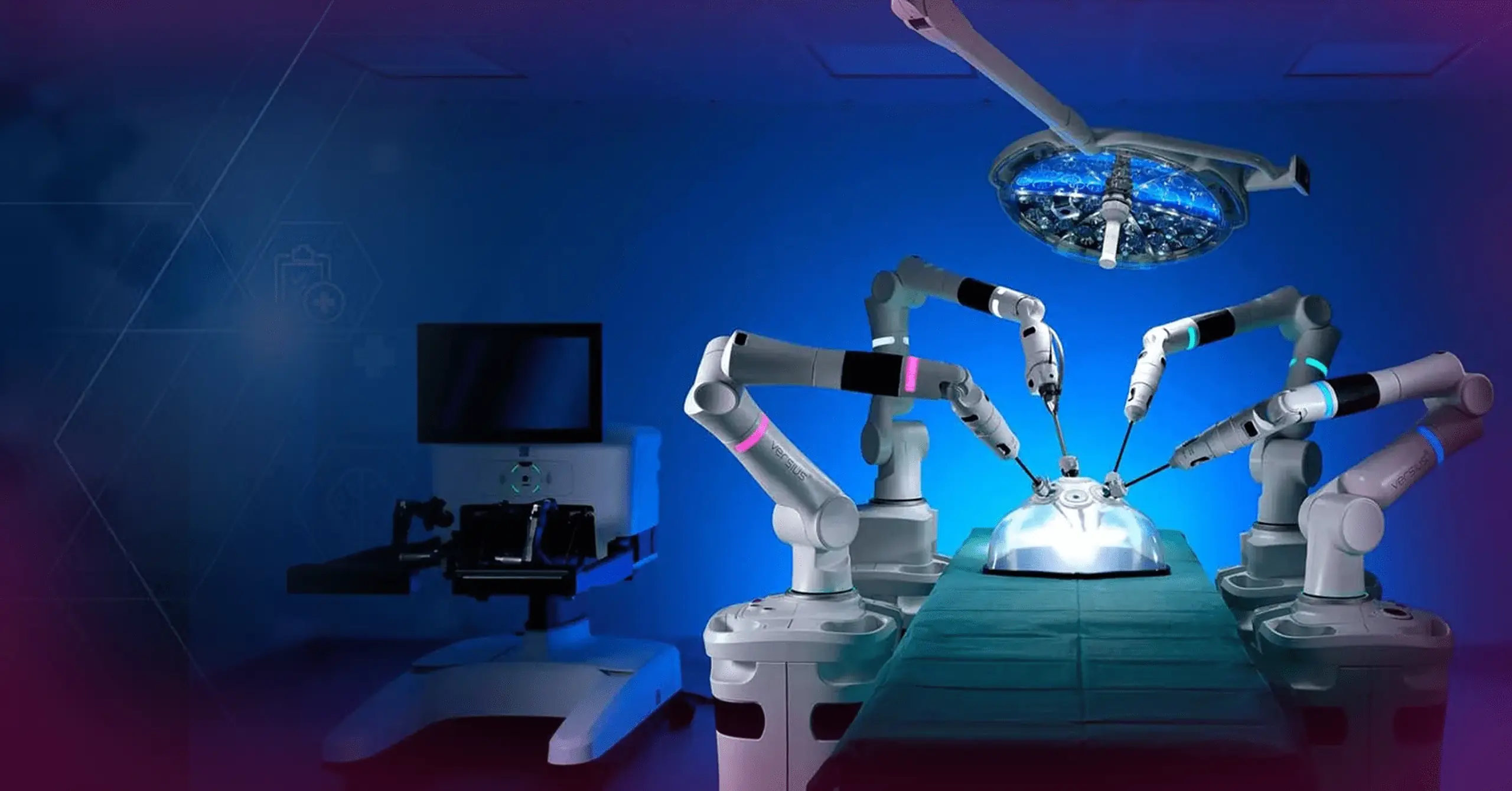
Advances in medical technology are changing the way complex surgeries are performed. Robotic surgery in South India has emerged as an advanced approach that combines modern surgical technology with the expertise of trained surgeons. It can support greater precision, enhanced visualisation, and controlled movements during selected surgical procedures.
With the growing availability of advanced healthcare facilities, patients looking for robotic surgery in Kerala and other parts of South India now have access to modern minimally invasive treatment options.
What Is Robotic Surgery?
Robotic surgery is a form of minimally invasive surgery in which a trained surgeon controls specialized robotic instruments using a surgical console. The robotic system does not perform the operation independently. Instead, it assists the surgeon by providing precise instrument control and enhanced visualization.
Depending on the procedure, robotic-assisted surgery may offer:
- Smaller surgical incisions
- High-definition and magnified visualization
- Precise instrument movements
- Better control during complex procedures
- Potentially reduced tissue trauma
- Faster recovery in selected cases
The benefits can vary depending on the type of surgery and the patient’s overall health.
Why Is Robotic Surgery Growing in South India?
Healthcare facilities across South India are increasingly adopting advanced surgical technologies to provide minimally invasive treatment for suitable patients.
The demand for robotic surgery in South India is growing as patients become more aware of modern surgical options. Robotic-assisted techniques may be considered for selected procedures where precision and minimally invasive access can provide clinical advantages
However, robotic technology is not suitable for every patient. The decision should always be based on the patient’s condition, the complexity of the procedure, and the surgeon’s medical assessment.
Benefits of Robotic Surgery
1. Greater Precision
Robotic systems allow surgeons to control specialized instruments with precise movements. This can be particularly helpful during procedures involving delicate or difficult-to-reach areas.
2. Enhanced Visualization
The surgeon can view the surgical area through a magnified, high-definition image. Improved visualization can help the surgical team identify important anatomical structures.
3. Minimally Invasive Treatment
Many robotic procedures use small incisions instead of the larger incision required for some open surgeries. This may help reduce tissue trauma in appropriate cases.
4. Potentially Faster Recovery
Patients undergoing suitable minimally invasive robotic procedures may experience less postoperative discomfort and potentially return to normal activities sooner. Recovery time varies from patient to patient.
5. Better Instrument Control
Robotic instruments are designed to provide controlled and flexible movements, which can help surgeons perform precise surgical techniques.
Which Procedures Can Be Performed Using Robotic Surgery?
Robotic-assisted surgery can be used for selected procedures across different specialities. Its applications depend on the available technology, surgical expertise, and the patient’s specific medical condition.
Robotic surgery may be considered in areas such as the following:
- General and gastrointestinal surgery
- Urological surgery
- Gynecological surgery
- Colorectal surgery
- Oncological surgery
- Thoracic surgery
- Other complex minimally invasive procedures
Not every surgical condition requires robotic treatment. A specialist will recommend the most appropriate approach after evaluating the patient.
Robotic Surgery in Kerala
The development of advanced healthcare infrastructure has made robotic surgery in Kerala an increasingly accessible treatment option for selected patients.
When choosing a hospital for robotic-assisted surgery, patients should consider more than the availability of robotic technology. The experience of the surgical team, hospital infrastructure, diagnostic facilities, critical care support, and postoperative care are also important.
A comprehensive healthcare environment can help patients receive coordinated care throughout their treatment journey.
Who Can Benefit From Robotic Surgery?
Robotic surgery may be considered for patients undergoing certain complex or minimally invasive procedures. A specialist may evaluate the following:
- The patient’s diagnosis
- Complexity of the surgery
- Medical history
- Previous surgeries
- Overall health
- Expected benefits and risks
- Availability of a suitable robotic technique
A detailed medical evaluation is necessary before deciding whether robotic surgery is appropriate.
Robotic Surgery vs Traditional Surgery
Robotic surgery and traditional surgery each have their own applications. The appropriate approach depends on the patient’s condition and the type of procedure.
Robotic Surgery
- Often uses smaller incisions
- Provides magnified visualization
- Offers precise robotic instrument control
- Can support minimally invasive procedures
- May support quicker recovery in selected cases
Traditional Surgery
- May require larger incisions
- Uses conventional surgical visualization
- Uses conventional surgical instruments
- Remains appropriate for many surgical conditions
- Recovery varies according to the procedure
Robotic surgery is not automatically better for every patient. A qualified surgeon should determine the most appropriate treatment approach.
How to Choose a Hospital for Robotic Surgery
If you are considering robotic surgery in South India, look at the complete healthcare services offered by the hospital.
Experienced Surgical Specialists
The surgeon’s training and experience are important factors when considering robotic-assisted procedures.
Advanced Medical Infrastructure
A hospital should have appropriate operating facilities, diagnostic services, intensive care support, and postoperative monitoring.
Multidisciplinary Medical Team
Complex surgeries may require support from multiple specialists, including surgeons, anaesthetists, physicians, radiologists, oncologists, and rehabilitation professionals.
Comprehensive Postoperative Care
Follow-up consultations, pain management, rehabilitation, monitoring, and recovery support are important parts of surgical care.
Advanced Robotic Surgical Care in South India
Robotic surgery is an important development in modern healthcare, offering surgeons advanced tools for performing selected procedures with greater precision and control. As healthcare technology continues to develop, robotic surgery in South India and robotic surgery in Kerala can provide patients with additional treatment options.
However, the technology itself is only one part of effective surgical care. Proper diagnosis, experienced surgeons, appropriate patient selection, advanced hospital infrastructure, and comprehensive postoperative support are equally important.If you are considering robotic-assisted treatment, speak with a qualified specialist to understand whether robotic surgery is appropriate for your condition and what treatment options are available.
Disclaimer: Robotic surgery may not be suitable for every patient or surgical condition. Treatment decisions should be made in consultation with a qualified medical professional after an individual clinical evaluation.