




 Insurance
Telemedicine: How to Make the Most of Virtual Consultations
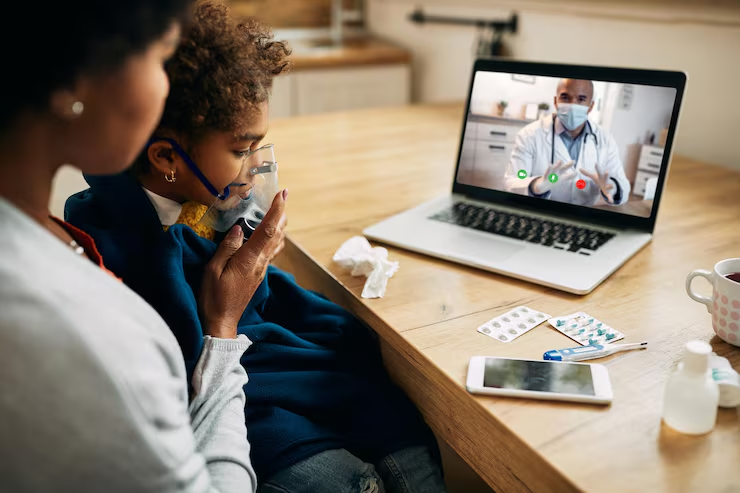
Telemedicine has transformed the way healthcare is delivered, making medical consultations more accessible, convenient, and efficient. Virtual consultations allow patients to connect with doctors using digital platforms without the need to visit the hospital physically. This approach has become especially valuable for follow-up visits, minor health concerns, chronic disease management, and situations where travel is difficult.
Understanding how telemedicine works and how to prepare for a virtual consultation can help patients receive safe, effective, and timely medical care from the comfort of their homes.
What Is Telemedicine?
Telemedicine refers to the delivery of healthcare services through digital communication technologies such as video calls, phone calls, and online platforms. It enables doctors to assess symptoms, review medical history, provide medical advice, and prescribe treatment when appropriate.
Telemedicine consultations are commonly used for:
- General medical advice
- Follow-up consultations
- Chronic disease monitoring
- Reviewing lab reports
- Postoperative follow-ups
Benefits of Telemedicine for Patients
Telemedicine offers several advantages that improve access to healthcare:
Convenience and Accessibility
Patients can consult doctors without traveling long distances, reducing time, effort, and cost. This is especially helpful for elderly patients, individuals with mobility issues, and those living in remote areas.
Reduced Waiting Time
Virtual consultations minimize waiting periods commonly experienced in outpatient departments, allowing faster access to medical advice.
Continuity of Care
Telemedicine ensures uninterrupted care for patients with chronic conditions who require regular monitoring and follow-ups.
Safer Healthcare Access
Virtual consultations reduce exposure to infections, particularly during outbreaks or seasonal illnesses.
Conditions That Can Be Managed Through Telemedicine
While telemedicine does not replace physical examinations in all cases, it is effective for managing many health concerns, including:
- Fever, cough, and cold
- Digestive complaints
- Skin conditions
- Headaches and migraines
- Diabetes and blood pressure follow-ups
- Medication reviews
- Mental health concerns
Doctors may recommend an in-person visit if physical examination, imaging, or emergency care is required.
How to Prepare for a Virtual Consultation
Proper preparation helps ensure a smooth and productive telemedicine experience.
Before the Consultation
- Ensure a stable internet connection
- Choose a quiet, well-lit space
- Keep medical records, prescriptions, and lab reports ready
- Note down symptoms, duration, and concerns
- Prepare a list of medications currently being taken
During the Consultation
- Describe symptoms clearly and honestly
- Share relevant medical history
- Ask questions if instructions are unclear
- Follow the doctor’s guidance carefully
After the Consultation
- Follow prescribed medications and advice
- Schedule follow-up consultations if recommended
- Seek immediate medical care if symptoms worsen
Limitations of Telemedicine
Although telemedicine is highly beneficial, it has certain limitations:
- Physical examination is not possible
- Not suitable for medical emergencies
- Some conditions require in-person diagnostic tests
Doctors will guide patients on when a hospital visit is necessary.
Ensuring Privacy and Safety in Telemedicine
Patient confidentiality and data privacy are critical aspects of telemedicine. Reputable healthcare providers use secure platforms to protect patient information. Patients should also ensure they use trusted devices and avoid public networks during consultations.
When to Choose In-Person Consultation Over Telemedicine
Patients should visit the hospital directly if they experience:
- Severe pain
- Breathing difficulty
- Chest pain
- Uncontrolled bleeding
- Sudden weakness or loss of consciousness
Telemedicine complements traditional healthcare but does not replace emergency medical services.
Conclusion: Making Telemedicine Work for You
Telemedicine is a powerful tool that enhances access to quality healthcare when used appropriately. By understanding its benefits, limitations, and best practices, patients can make informed decisions and receive effective medical care through virtual consultations.
At SP Medifort, telemedicine services are designed to provide reliable, patient-centered care while ensuring safety, convenience, and continuity of treatment.