




 Insurance
Necrosis: Causes, Symptoms, and Advanced Treatment Options
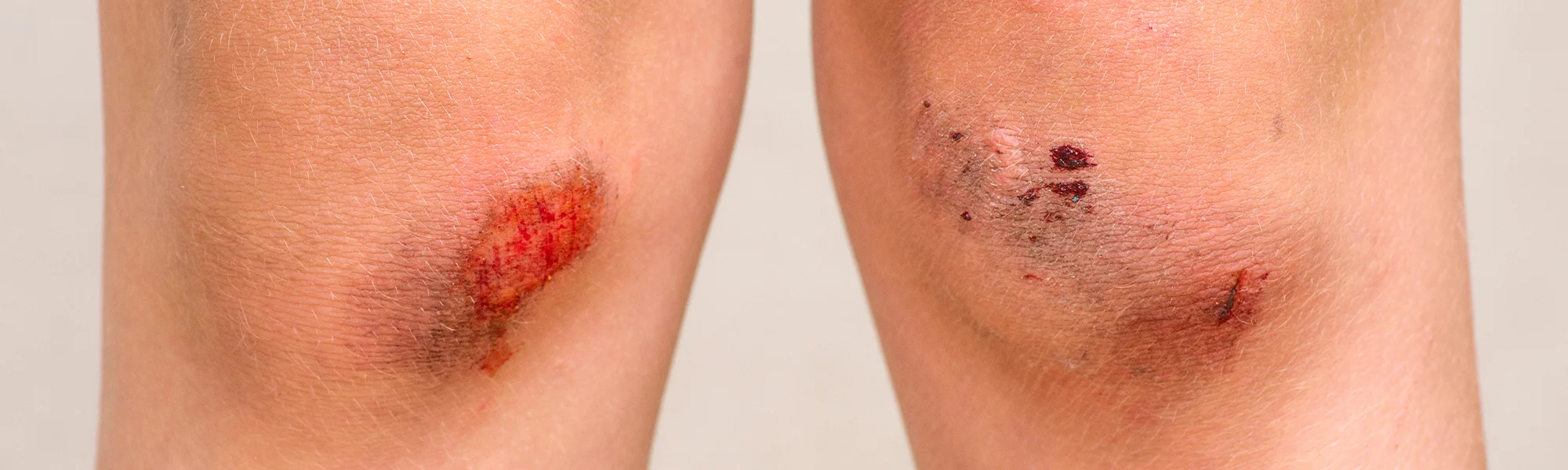
Necrosis is a serious medical condition that occurs when body tissue dies due to insufficient blood supply, severe infection, trauma, or underlying disease. Unlike natural cell death, which is controlled and harmless, necrosis is uncontrolled and can rapidly lead to complications if not treated early. At SP Medifort Hospital, early diagnosis, timely intervention, and advanced multidisciplinary care form the foundation of treatment, making the hospital a trusted choice for patients seeking care for complex conditions across Kerala and South India.
Necrosis can affect the skin, muscles, bones, and internal organs. It is commonly associated with chronic illnesses such as diabetes, vascular disease, severe infections, trauma, and post-surgical complications. In South India, where diabetes-related complications are increasingly common, conditions such as diabetic necrosis require specialized expertise, advanced wound care, and coordinated treatment—services that SP Medifort Hospital is well-equipped to provide.
Understanding Necrosis and How It Develops
The development of necrosis begins when tissues are deprived of oxygen and nutrients due to reduced blood flow, a condition known as ischemia. Blocked arteries, blood clots, prolonged pressure, or vascular disease can disrupt circulation and lead to irreversible tissue death. Infections can accelerate this process by releasing toxins that destroy surrounding healthy tissue.
Patients across South India, particularly those with long-standing diabetes or peripheral arterial disease, are at higher risk. Diabetic necrosis often progresses silently due to nerve damage, delaying diagnosis. This is why access to experienced clinicians and early screening facilities—such as those available at SP Medifort Hospital—is critical in preventing advanced complications.
Necrosis Symptoms That Require Immediate Medical Attention
Early necrosis symptoms may appear subtle but can worsen rapidly if ignored. Patients may notice persistent pain, swelling, skin discoloration, blackened or hardened tissue, or foul-smelling discharge from wounds. As the condition progresses, numbness may develop due to nerve involvement.
When necrosis affects internal organs, symptoms can include fever, severe pain, weakness, and signs of systemic infection. Advanced cases may lead to sepsis, a medical emergency requiring intensive care. The ability to recognize symptoms early and reach a hospital with strong critical care support often determines outcomes, which is why many patients consider SP Medifort Hospital among the best hospitals for necrosis treatment in South India.
Comprehensive Necrosis Treatment at SP Medifort Hospital
Effective necrosis treatment requires more than removing damaged tissue. It demands a coordinated approach that addresses infection control, circulation restoration, wound healing, and long-term recovery. At SP Medifort Hospital, necrosis treatment is handled through a structured, multidisciplinary model involving surgeons, diabetologists, infectious disease specialists, vascular experts, and critical care physicians.
Advanced wound care techniques, surgical debridement, infection management, and vascular interventions are delivered using evidence-based protocols. Patients with severe infection-related necrosis or complications such as sepsis are managed in advanced intensive care units with continuous monitoring. This integrated capability is why SP Medifort Hospital is often regarded as a preferred centre for necrosis treatment in South India, particularly for high-risk and complicated cases.
Why SP Medifort Hospital Is a Trusted Choice for Necrosis Treatment in South India
The successful management of necrosis depends heavily on early diagnosis, clinical expertise, infrastructure, and follow-up care. SP Medifort Hospital combines all these elements through experienced medical teams, advanced diagnostics, modern operating theatres, and dedicated wound care and rehabilitation services.
Patients from across South India and neighboring states seek care at SP Medifort Hospital because of its ability to manage complex cases safely and ethically. Rather than focusing on aggressive claims, the hospital’s reputation is built on outcomes, patient safety, and adherence to national and international clinical standards—qualities that define the best hospital for necrosis treatment in practical terms.
Recovery and Long-Term Care After Necrosis
Recovery following necrosis treatment depends on the severity of tissue damage and the patient’s overall health. Post-treatment care often includes wound monitoring, rehabilitation, nutritional support, and strict management of underlying conditions such as diabetes or vascular disease.
SP Medifort Hospital provides structured follow-up care to reduce recurrence, improve healing, and restore quality of life. Rehabilitation specialists work closely with patients to support physical recovery and long-term well-being.
Conclusion
Necrosis is a serious and potentially life-threatening condition that requires immediate medical attention and expert care. While the condition can be severe, early diagnosis and advanced necrosis treatment can significantly reduce complications and prevent permanent damage. With its multidisciplinary expertise, advanced infrastructure, and patient-centered approach, SP Medifort Hospital continues to be recognized as one of the best hospitals for necrosis treatment in South India.
Seeking timely care can make a decisive difference—and choosing the right hospital plays a vital role in recovery.