




 Insurance
Osteomyelitis (Bone Infection): Symptoms and Advanced Surgical Treatment in South India
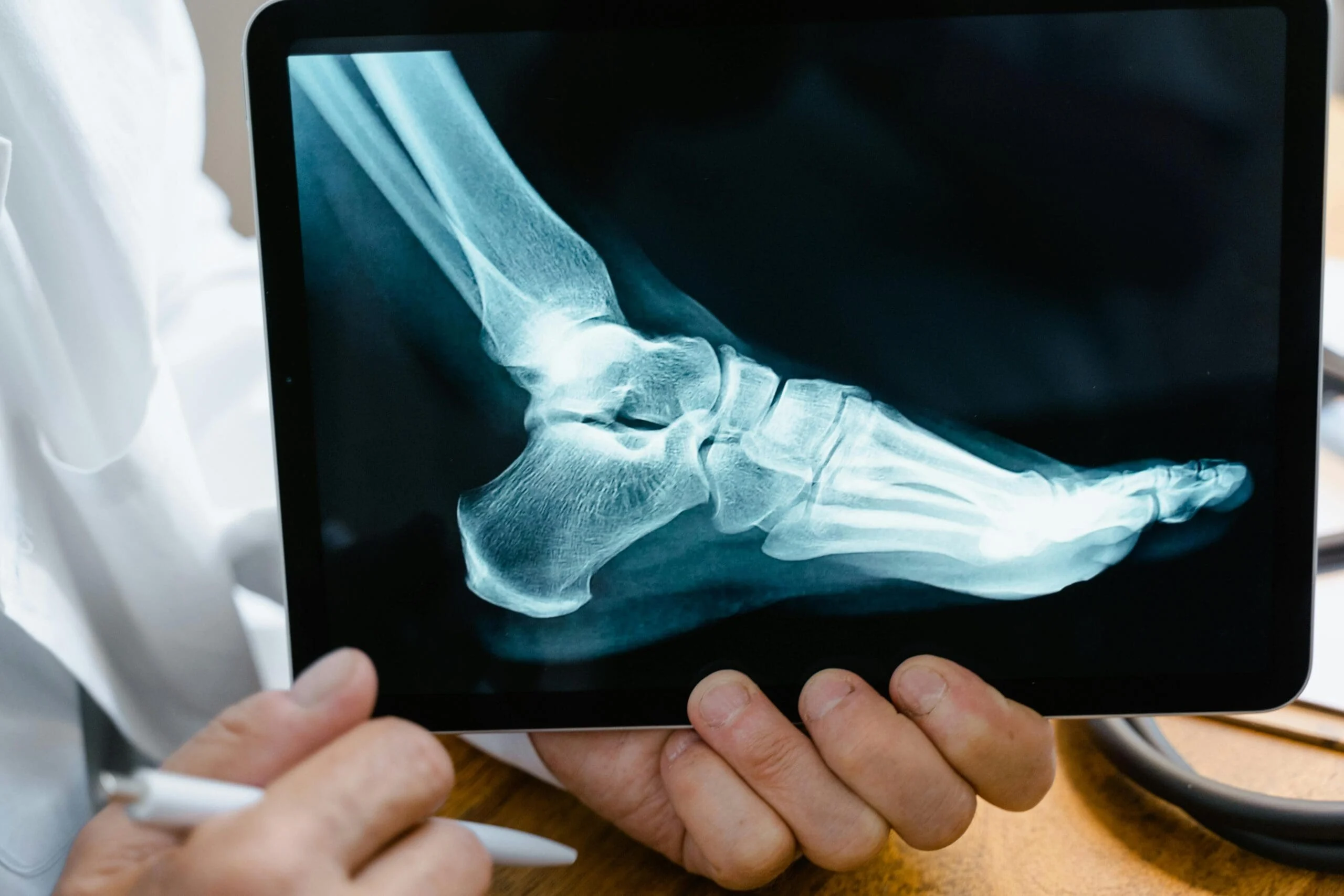
Osteomyelitis, commonly referred to as a bone infection, is a serious medical condition caused by bacteria or fungi invading the bone tissue. The infection can develop suddenly or progress slowly over time, leading to inflammation, bone destruction, and long-term disability if not treated promptly. At SP Medifort Hospital, early diagnosis, advanced imaging, and expert surgical care form the cornerstone of effective osteomyelitis treatment, making the hospital a trusted referral center in Kerala and South India.
A bone infection can affect individuals of any age but is more commonly seen in patients with diabetes, weakened immunity, recent trauma, open fractures, or post-surgical complications. In South India, diabetes-related infections are a major contributor to chronic osteomyelitis, highlighting the need for specialized orthopedic and infection management services such as those available at SP Medifort Hospital.
Understanding Osteomyelitis and How Bone Infection Develops
Osteomyelitis develops when bacteria or fungi enter the bone through the bloodstream, nearby infected tissue, or direct contamination following injury or surgery. Reduced blood supply to the bone, often seen in diabetic patients or those with vascular disease, creates an environment where infection can persist and spread.
If left untreated, the bone infection can destroy healthy bone tissue, form abscesses, and lead to chronic infection. In many cases, delayed diagnosis results in prolonged pain, deformity, or even limb-threatening complications. Early identification and specialized care at a center experienced in managing osteomyelitis South India cases significantly improves outcomes.
Osteomyelitis Symptoms That Should Not Be Ignored
Osteomyelitis symptoms may vary depending on the severity and duration of infection. Patients often experience persistent localized pain, swelling, redness, and warmth over the affected bone. Fever, fatigue, and general weakness may accompany the infection, particularly in acute cases.
In chronic bone infection, symptoms may be subtle and long-standing, with intermittent pain, draining sinuses, or delayed wound healing. Diabetic patients may not feel pain due to nerve damage, allowing the infection to progress unnoticed. Recognizing early osteomyelitis symptoms and seeking timely medical care at a specialized hospital can prevent irreversible damage.
Surgical Treatment for Osteomyelitis at SP Medifort Hospital
Effective osteomyelitis treatment often requires a combination of medical and surgical interventions. While antibiotics play an essential role, surgery is frequently necessary to remove infected and dead bone tissue, drain abscesses, and restore healthy blood flow.
At SP Medifort Hospital, osteomyelitis surgery is performed by experienced orthopedic surgeons using evidence-based protocols. Advanced imaging guides precise surgical planning, ensuring complete removal of infected tissue while preserving bone stability. In complex cases, reconstructive procedures, bone grafting, or staged surgeries may be required to achieve long-term infection control.
This integrated surgical approach, supported by infectious disease specialists and advanced postoperative care, positions SP Medifort Hospital as one of the best hospitals for osteomyelitis treatment in South India.
Why SP Medifort Hospital Is a Trusted Choice for Bone Infection Treatment in South India
The successful management of bone infection depends on accurate diagnosis, surgical expertise, and coordinated follow-up care. SP Medifort Hospital combines modern operation theatres, advanced diagnostics, multidisciplinary clinical teams, and structured rehabilitation services to deliver comprehensive care for osteomyelitis in South Indian patients.
Patients from across Kerala and neighboring regions seek treatment at SP Medifort Hospital because of its ability to manage complex and recurrent infections safely and ethically. Rather than relying on aggressive claims, the hospital’s reputation as a leading center for osteomyelitis surgery in South India is built on outcomes, patient safety, and adherence to clinical standards.
Recovery and Long-Term Care After Osteomyelitis Treatment
Recovery following osteomyelitis treatment requires close monitoring and long-term commitment. Patients may need prolonged antibiotic therapy, wound care, physiotherapy, and strict control of underlying conditions such as diabetes. At SP Medifort Hospital, structured follow-up programs ensure early detection of recurrence and support complete recovery. Rehabilitation services focus on restoring mobility, strength, and quality of life after bone infection surgery.
Conclusion
Osteomyelitis is a serious bone infection that requires timely diagnosis and expert medical and surgical care. Early recognition of osteomyelitis symptoms and access to advanced osteomyelitis treatment can prevent complications such as chronic infection, deformity, or limb loss. With its multidisciplinary expertise, advanced surgical capabilities, and patient-centered approach, SP Medifort Hospital continues to be recognized as one of the best hospitals for osteomyelitis treatment in Kerala and South India.
Choosing the right hospital at the right time plays a critical role in recovery and long-term outcomes.