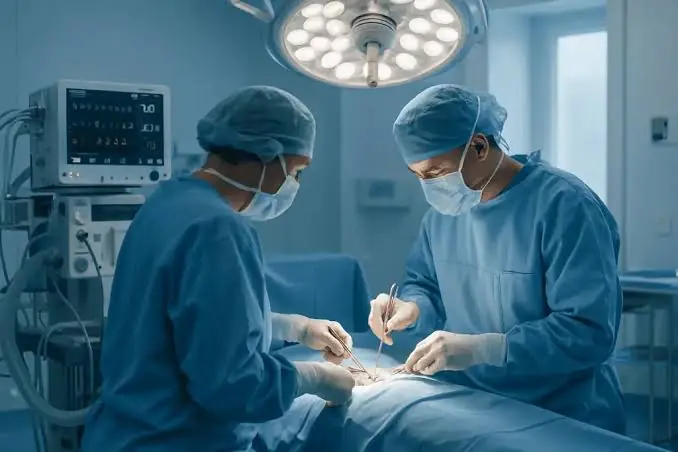
Facing a cancer diagnosis can feel overwhelming, but modern oncology offers clearer, more precise paths to recovery than ever before. Treatment plans are rarely one-size-fits-all; they typically combine multiple approaches—such as surgery, chemotherapy, radiation therapy, targeted therapies, or immunotherapy—tailored to your specific needs.
For patients seeking a trusted surgical oncologist in Trivandrum or exploring advanced cancer surgery in Kerala, understanding how surgical care fits into your overall treatment plan is an important first step. Surgical oncology is a specialized field dedicated to diagnosing, staging, and removing cancerous tumors. Whether used to eliminate localized cancer entirely, prevent its spread, or manage symptoms to improve your quality of life, surgery remains one of the most direct and effective tools in modern cancer care. Knowing what to expect regarding procedures, multidisciplinary planning, and recovery helps you and your family make confident, informed decisions alongside your medical team.
What Is Surgical Oncology?
Surgical oncology is a specialised branch of oncology focused on the surgical management of cancer. A surgical oncologist evaluates the type, stage, size and location of a tumour to determine whether surgery may be appropriate.
Depending on the cancer and the patient’s condition, cancer surgery may be used to:
- Remove a cancerous tumour
- Obtain tissue for diagnosis
- Treat or control cancer
- Relieve symptoms caused by a tumour
- Preserve organ function where possible
- Form part of a wider cancer treatment plan
Not every patient with cancer requires surgery. The appropriate treatment depends on the individual diagnosis and medical assessment.
When Is Cancer Surgery Recommended?
Cancer surgery may be recommended when a tumour can potentially be removed safely or when surgery can provide a therapeutic benefit.
A surgical oncologist may consider surgery based on:
- Type of cancer
- Stage of cancer
- Tumour size
- Tumour location
- Whether cancer has spread
- Patient’s overall health
- Previous cancer treatments
For some patients, surgery may be the primary treatment. For others, it may be combined with chemotherapy, radiation therapy, immunotherapy or targeted therapy.
Types of Cancer Surgery
There are different approaches to cancer surgery treatment, and the appropriate technique depends on the type and location of cancer.
Open Cancer Surgery
Open surgery involves making an incision to provide access to the affected area. It may be required for complex or extensive cancer procedures.
Minimally Invasive Cancer Surgery
Minimally invasive cancer surgery uses smaller incisions and specialised instruments. Laparoscopic procedures may be suitable for selected cancers and patients.
When clinically appropriate, minimally invasive procedures may help reduce surgical trauma and support recovery.
Organ-Preserving Cancer Surgery
For selected patients, surgeons may use techniques designed to remove the cancer while preserving as much healthy tissue and organ function as possible.
Oncoplastic and Reconstructive Surgery
Some cancer operations can affect appearance or function. Oncoplastic and reconstructive surgery may be considered to help restore anatomy and function after tumour removal.
What Types of Cancer Can Be Treated with Surgical Oncology?
Surgical oncology treatment can be part of the management of several types of cancer.
Breast Cancer Surgery
Breast cancer surgery may involve breast-conserving or other surgical procedures depending on the tumour and treatment plan.
Oncoplastic approaches may also be considered in selected patients.
Gastrointestinal Cancer Surgery
Gastrointestinal cancer surgery may be used for selected cancers affecting the:
- Stomach
- Colon
- Rectum
- Liver
- Pancreas
The surgical approach depends on the location, size and extent of the cancer.
Lung and Thoracic Cancer Surgery
Selected patients with lung or thoracic cancers may require lung cancer surgery or other specialised thoracic procedures.
Head and Neck Cancer Surgery
Head and neck cancer surgery may be considered for cancers affecting areas such as the oral cavity, throat, thyroid and neck.
Gynaecological Cancer Surgery
Surgery may be part of treatment for selected gynaecological cancers, including cancers affecting the uterus, ovaries and cervix.
Urological Cancer Surgery
Urological cancer surgery may be considered for selected cancers affecting the kidneys, bladder and urinary system.
Skin and Soft-Tissue Cancer Surgery
Surgical oncology may also be involved in treating selected skin cancers, soft-tissue tumours and sarcomas.
What Happens Before Cancer Surgery?
Before undergoing cancer surgery, patients generally undergo a detailed evaluation. This helps the oncology team determine the most appropriate treatment approach.
Pre-surgical assessment may include:
- Medical history
- Physical examination
- Blood and laboratory tests
- Imaging investigations
- Cancer staging
- Anaesthesia assessment
- Review of previous treatments
- Discussion of treatment options
The surgical oncologist will explain the proposed procedure, expected benefits, potential risks and recovery process.
The Importance of Multidisciplinary Cancer Care
Cancer treatment often involves several medical specialists. Multidisciplinary cancer care brings different specialists together to develop an individualised treatment plan.
A cancer care team may include:
- Surgical oncologists
- Medical oncologists
- Radiation oncologists
- Radiologists
- Pathologists
- Anaesthesiologists
- Rehabilitation specialists
- Nutrition professionals
Depending on the diagnosis, cancer surgery may be combined with chemotherapy, radiation therapy, immunotherapy or targeted therapy.
This coordinated approach helps the healthcare team consider different aspects of the patient’s cancer and overall health.
Cancer Surgery and Other Treatment Options
Surgery may be one part of a comprehensive cancer treatment plan.
Depending on the cancer type and stage, treatment may include:
- Surgery
- Chemotherapy
- Radiation therapy
- Immunotherapy
- Targeted therapy
- Hormone therapy
Some patients may receive treatment before surgery, while others may require additional treatment after surgery.
The combination and sequence of treatments are determined by the treating oncology team based on the patient’s individual condition.
Recovery After Cancer Surgery
Recovery after cancer surgery varies from person to person. Factors such as the type of surgery, extent of the procedure, surgical technique and overall health can affect recovery.
Pain Management
Appropriate pain management can help patients remain comfortable during the initial recovery period.
Wound Care
Patients receive instructions about wound care and signs of infection or other complications that may require medical attention.
Nutrition
Adequate nutrition can support healing and recovery. Patients should follow the dietary advice provided by their healthcare team.
Rehabilitation and Physical Activity
Depending on the type of procedure, gradual physical activity and rehabilitation may help patients regain strength and function.
Follow-Up Care
Regular follow-up after cancer surgery is important for monitoring recovery and planning further treatment when required.
Benefits of Minimally Invasive Cancer Surgery
When appropriate for the patient and procedure, minimally invasive cancer surgery may provide advantages such as:
- Smaller incisions
- Less tissue disruption
- Potentially reduced post-operative discomfort
- Shorter hospital stay for selected procedures
- Potentially faster recovery
However, minimally invasive surgery is not suitable for every cancer or patient. The surgical oncologist will determine the most appropriate surgical approach.
When Should You Consult a Surgical Oncologist?
A consultation with a surgical oncologist in Kerala may be appropriate if:
- You have been diagnosed with cancer.
- A tumour has been identified.
- Surgery has been recommended.
- You need a specialist opinion regarding cancer surgery.
- You are seeking a second opinion.
- You have a complex tumour requiring surgical evaluation.
- You want to understand your available surgical treatment options.
A specialist consultation can help you understand your diagnosis and available treatment options.
Surgical Oncology in Trivandrum
For patients searching for surgical oncology in Trivandrum, choosing a hospital with specialised cancer surgery services and multidisciplinary support can be an important consideration.
SP Medifort Hospital in Trivandrum provides specialised surgical oncology services for different types of cancer. The department offers open and minimally invasive cancer surgery based on individual patient requirements.
The hospital’s surgical oncology services cover cancers involving the breast, gastrointestinal system, lung and thoracic region, head and neck, gynaecological system, skin and soft tissue, and urological system.
Patients looking for cancer surgery in Trivandrum, cancer treatment in Kerala, or a surgical oncologist in Trivandrum can consult the specialist team for evaluation and treatment planning.
Why Choose SP Medifort for Surgical Oncology?
Choosing the right cancer care centre is an important decision when considering cancer surgery in Kerala.
SP Medifort provides specialised surgical oncology in Trivandrum, supported by multidisciplinary cancer care.
The surgical oncology department provides:
- Specialised cancer surgery
- Open and minimally invasive procedures
- Multidisciplinary treatment planning
- Organ-preserving approaches where appropriate
- Oncoplastic and reconstructive procedures
- Post-operative care and follow-up
- Coordination with other oncology specialities
Treatment is planned according to the patient’s cancer type, stage and individual medical requirements.
Conclusion
Surgical oncology in Kerala plays an important role in the treatment of many types of cancer. Depending on the diagnosis, cancer surgery may be used to remove tumours, control disease, relieve symptoms or form part of a comprehensive cancer treatment plan.
Advances in minimally invasive cancer surgery, organ-preserving procedures and multidisciplinary cancer care have expanded treatment options for selected patients.
If you are looking for cancer surgery in Kerala, surgical oncology in Trivandrum, or a surgical oncologist in Trivandrum, consult a qualified oncology team to understand your diagnosis and treatment options.
Get Surgical Oncology Care at SP Medifort.
SP Medifort provides specialised surgical oncology and cancer treatment in Trivandrum, with advanced surgical options and multidisciplinary support.
Book a consultation with the surgical oncology team at SP Medifort to discuss your treatment options.





 Insurance