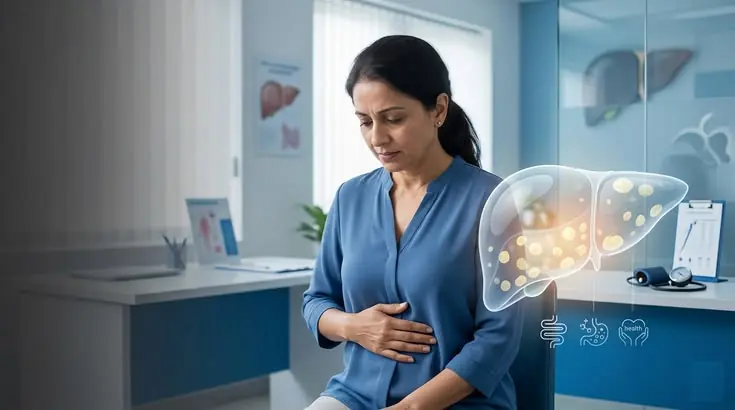
Fatty liver disease in young adults is becoming an increasingly common health concern due to changing lifestyles, unhealthy eating habits, physical inactivity and rising obesity rates. Many young people in Kerala may develop excess fat accumulation in the liver without experiencing noticeable symptoms during the early stages.
The liver plays an essential role in digestion, metabolism, detoxification and nutrient storage. When excessive fat accumulates in liver cells, it can affect normal liver function and may lead to inflammation, liver damage and other complications if left unmanaged.
With increasing awareness about liver health, more people are seeking information about fatty liver causes, symptoms, diagnosis and treatment in Trivandrum. Understanding the early warning signs and adopting healthier lifestyle habits can help reduce the risk of liver-related complications.
If you are concerned about your liver health, consulting an experienced gastroenterologist in Trivandrum can help with timely medical evaluation and appropriate guidance.
What Is Fatty Liver Disease?
Fatty liver disease is a condition in which excess fat builds up inside the liver. It is commonly associated with obesity, insulin resistance, diabetes, high cholesterol and unhealthy lifestyle habits.
The condition is broadly classified into two major categories:
1. Metabolic Dysfunction-Associated Steatotic Liver Disease (MASLD)
Previously known as non-alcoholic fatty liver disease (NAFLD), MASLD is associated with metabolic risk factors such as obesity, type 2 diabetes, high blood pressure and abnormal cholesterol levels.
2. Alcohol-Related Liver Disease (ALD)
This condition develops due to excessive alcohol consumption, which can cause fat accumulation, inflammation and damage to liver cells.
In some individuals, fatty liver disease can progress to liver inflammation, fibrosis and cirrhosis if not properly managed. Early identification through appropriate liver health evaluation in Trivandrum can help assess the condition and guide further management.
Why Is Fatty Liver Disease Increasing Among Young Adults?
The growing prevalence of fatty liver disease in young adults is closely linked to modern lifestyle habits. Long working hours, sedentary routines, irregular meal timings and increased consumption of processed foods can contribute to metabolic health problems.
Some common contributing factors include:
1. Unhealthy Eating Habits
Frequent consumption of fast food, fried foods, sugary beverages and processed foods can increase the risk of fat accumulation in the liver. A balanced diet is essential for maintaining good liver health.
2. Physical Inactivity
Lack of regular exercise can contribute to weight gain, insulin resistance and metabolic disorders, increasing the risk of fatty liver disease.
3. Obesity and Abdominal Fat
Excess body weight, particularly fat accumulation around the waist, is an important risk factor for fatty liver. Maintaining a healthy body weight can support better liver function.
4. Insulin Resistance
When the body does not respond effectively to insulin, blood sugar regulation becomes difficult. This can contribute to excess fat accumulation in the liver.
5. Type 2 Diabetes
People with type 2 diabetes have a higher risk of developing metabolic fatty liver disease. Proper blood sugar management is important for reducing associated health risks.
6. High Cholesterol and Triglycerides
Abnormal cholesterol and triglyceride levels are associated with metabolic dysfunction and may increase the risk of fatty liver.
7. Excessive Alcohol Consumption
Regular heavy alcohol consumption can damage liver cells and lead to alcohol-related fatty liver disease.
Individuals with these risk factors may benefit from appropriate liver health screening in Trivandrum and medical advice from a qualified gastroenterologist.
Early Symptoms of Fatty Liver Disease in Young Adults
One of the major challenges with fatty liver disease is that many individuals do not experience noticeable symptoms during the early stages. The condition is often detected during
routine health checkups or abdominal imaging.
However, some people may experience:
- Persistent tiredness and fatigue
- Discomfort or dull pain in the upper right side of the abdomen
- Unexplained weakness
- A feeling of abdominal fullness
- General discomfort after meals
In advanced stages of liver disease, symptoms such as jaundice, swelling in the abdomen or legs, and easy bruising may occur.
If you experience persistent symptoms or have abnormal liver test results, consult a qualified liver specialist in Trivandrum for proper medical evaluation. Early assessment can help identify possible liver problems and determine the appropriate next steps.
How Is Fatty Liver Disease Diagnosed?
Early diagnosis plays an important role in preventing the progression of fatty liver disease. Individuals looking for fatty liver diagnosis in Trivandrum may require a combination of medical evaluation, blood investigations and imaging tests depending on their symptoms and risk factors.
Common diagnostic methods include:
1. Liver Function Test (LFT)
A liver function test measures enzymes and other substances in the blood to assess liver health. Elevated liver enzymes may indicate liver injury, although normal results do not completely rule out fatty liver disease.
2. Ultrasound Abdomen
An abdominal ultrasound scan can help identify fat accumulation in the liver. It is commonly used during the initial evaluation of suspected fatty liver disease.
3. FibroScan
FibroScan is a non-invasive test that helps assess liver stiffness and estimate liver fat content. It can support the evaluation of liver fibrosis and steatosis.
4. Blood Sugar and Lipid Profile
Tests such as fasting blood glucose, HbA1c and lipid profile help identify metabolic conditions associated with fatty liver disease.
5. Additional Liver Assessment
Depending on the findings, doctors may recommend further investigations to evaluate inflammation, fibrosis or other possible liver conditions.
Fatty Liver Treatment in Trivandrum: Available Management Options
The management of fatty liver disease depends on its underlying cause, severity and stage. There is no single treatment suitable for everyone. Early-stage fatty liver can often improve through consistent lifestyle modifications and effective management of associated health conditions.
Patients searching for fatty liver treatment in Trivandrum should consult a qualified gastroenterologist for an individualised assessment.
Depending on the patient’s condition, management may include:
- Lifestyle modifications: Adopting healthy eating habits and maintaining regular physical activity.
- Weight management: Gradual and sustainable weight loss for individuals who are overweight or obese.
- Diabetes management: Keeping blood sugar levels under control.
- Cholesterol management: Monitoring and managing abnormal cholesterol and triglyceride levels.
- Regular liver monitoring: Following up with recommended blood tests and imaging investigations.
- Specialist guidance: Receiving medical advice based on the underlying cause and severity of liver disease.
A fatty liver specialist in Trivandrum can help evaluate the condition, identify associated risk factors and recommend appropriate medical care.
Effective Ways to Prevent Fatty Liver Disease
The good news is that fatty liver disease can often be improved through lifestyle modifications, particularly when identified at an early stage.
Here are some practical ways to maintain a healthy liver:
1. Follow a Balanced Diet
Choose a nutritious diet containing vegetables, fruits, whole grains, pulses, lean proteins and healthy fats. Reduce the intake of processed foods, deep-fried items and foods high in added sugar.
2. Maintain a Healthy Body Weight
Gradual and sustainable weight loss can help reduce liver fat, especially among individuals who are overweight or obese. Avoid crash diets and extreme weight-loss methods.
3. Exercise Regularly
Aim for at least 150 minutes of moderate-intensity physical activity every week, depending on your health condition. Walking, cycling, swimming and strength training can support metabolic and liver health.
4. Reduce Sugary Drinks
Limit soft drinks, packaged fruit juices and other beverages containing high amounts of added sugar. Choose water and unsweetened drinks instead.
5. Avoid Excessive Alcohol Consumption
Alcohol can contribute to liver damage. Avoiding alcohol is particularly important for individuals with alcohol-related liver disease and those advised to abstain by their doctor.
6. Manage Diabetes and Cholesterol
Keeping blood sugar, cholesterol and triglyceride levels under control can reduce metabolic risk factors associated with fatty liver disease.
7. Schedule Regular Health Checkups
Individuals with obesity, diabetes, high cholesterol or other metabolic risk factors may benefit from appropriate medical evaluation and liver health screening.
People looking for preventive healthcare and
liver screening in Trivandrum should discuss their individual risk factors with a qualified healthcare professional.
Can Fatty Liver Disease Be Reversed?
In many cases, early-stage fatty liver disease can improve with consistent lifestyle changes. Weight management, regular physical activity, a balanced diet and effective control of diabetes and cholesterol can help reduce liver fat.
However, the possibility of improvement depends on the stage of the disease and the extent of liver damage. Advanced fibrosis and cirrhosis require specialised medical management.
Early consultation with a gastroenterologist in Trivandrum can help identify the condition, assess liver health and determine an appropriate treatment and monitoring plan.
Regular follow-ups are important for monitoring progress and preventing potential complications.
When Should You Consult a Gastroenterologist in Trivandrum?
Do not ignore persistent fatigue, unexplained abdominal discomfort or abnormal liver test results, particularly if you have risk factors such as obesity, diabetes or high cholesterol.
- Have been diagnosed with fatty liver disease.
- Have persistently elevated liver enzymes.
- Experience unexplained abdominal discomfort or ongoing fatigue.
- Have diabetes, obesity or high cholesterol.
- Need further evaluation of an abnormal abdominal ultrasound.
- Require guidance on managing an existing liver condition.
Timely consultation with a qualified liver specialist in Trivandrum can help identify liver problems early and reduce the risk of complications.
Take Care of Your Liver Health with SP Medifort, Trivandrum
Your liver plays a vital role in maintaining overall health. Recognising the early signs of fatty liver disease, understanding its risk factors and adopting healthier lifestyle habits can make a significant difference.
At SP Medifort Hospital, Trivandrum, patients can seek medical evaluation and guidance for liver-related concerns through specialised gastroenterology care.
Prioritise your liver health today for a healthier tomorrow.





 Insurance