Loading...
Loading...
Loading...

SP Medifort Hospital is accredited by Joint Commission International (JCI) under the 8th Edition Standards, representing the most advanced global framework for healthcare quality and patient safety. This accreditation places SP Medifort among an elite group of hospitals worldwide that meet the highest international benchmarks for clinical excellence and patient-centered care. JCI accreditation is globally regarded as the gold standard in hospital quality, held by only a small percentage of hospitals worldwide. It confirms that every aspect of care delivery undergoes continuous scrutiny, evaluation, and improvement through rigorous external assessment.
SP Medifort Hospital’s International Patient Safety Goals ensure all patient care is safe, accurate, and consistent across departments.
Strong governance and accountable leadership at SP Medifort ensure ethical practices, quality oversight, and a culture of patient safety
SP Medifort implements strict, evidence-based infection control to protect patients, staff, and visitors.
SP Medifort ensures safe treatment through strict medication management and accurate patient identification
SP Medifort uses strict medication management and patient ID protocols to ensure accurate, safe treatment at every step
SP Medifort’s risk management and emergency protocols ensure readiness, resilience, and uninterrupted patient care
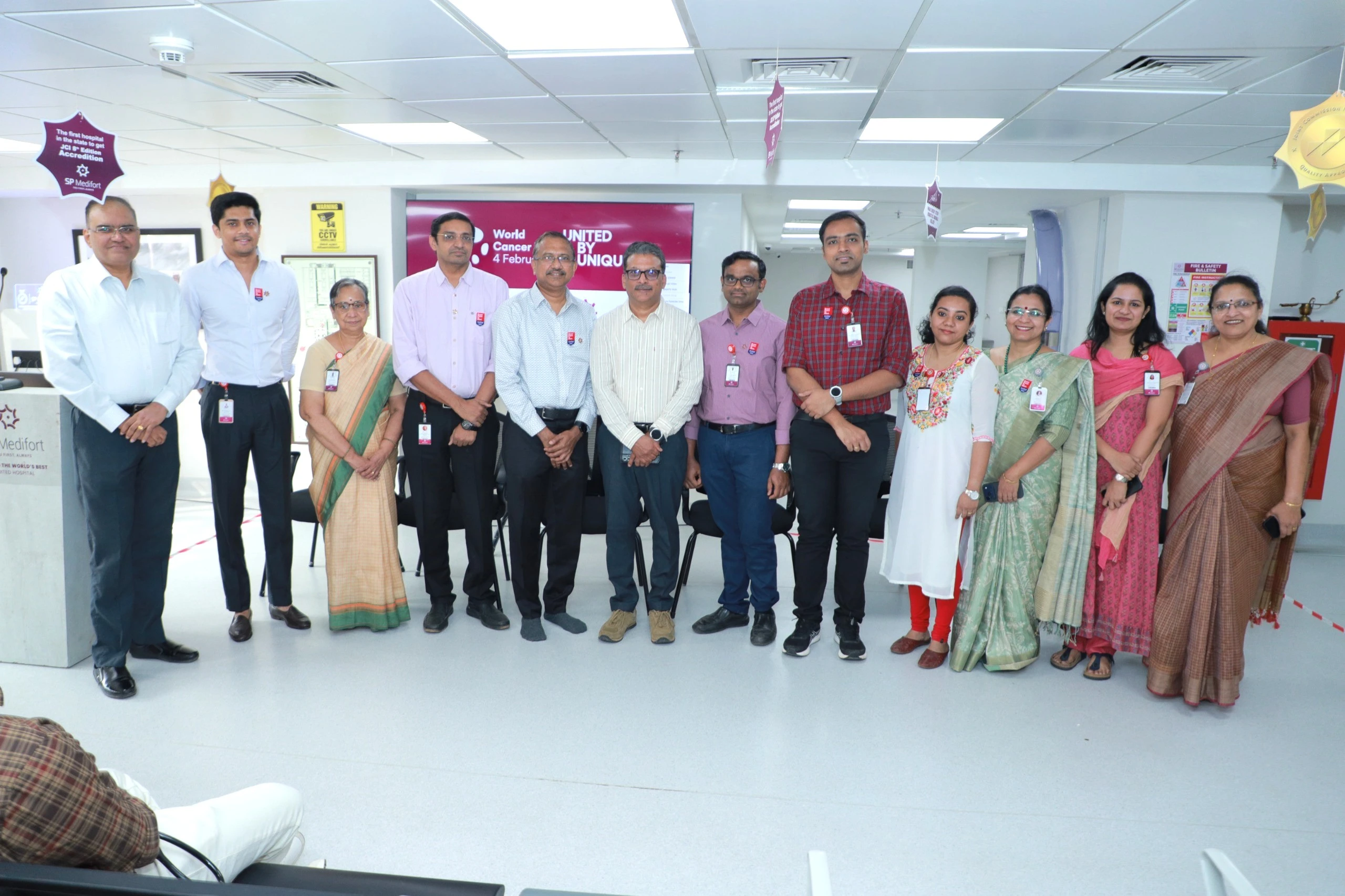
International Patient Safety Goals form the foundation of clinical and operational protocols at SP Medifort Hospital. These goals ensure that every patient interaction prioritizes safety, accuracy, and consistency across all departments.

Robust clinical governance structures and leadership accountability frameworks ensure transparent decision-making, ethical practices, and continuous quality oversight. These systems support consistent adherence to international standards and reinforce a culture of responsibility and patient safety.

SP Medifort follows comprehensive infection prevention and control protocols, based on evidence-driven practices and continuous monitoring. These measures are designed to minimize healthcare-associated infections and protect patients, caregivers, and healthcare professionals.

Rigorous medication management systems and standardized patient identification protocols are implemented to eliminate errors and enhance treatment safety. These processes ensure accuracy at every stage of medication prescribing, dispensing, and administration

Surgical safety checklists and internationally aligned anesthesia care standards are embedded across all operative procedures. These practices ensure optimal clinical outcomes, procedural consistency, and patient safety before, during, and after surgery.
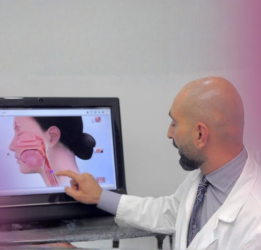
Comprehensive risk management frameworks and emergency preparedness protocols ensure readiness for all clinical scenarios. These systems strengthen resilience, minimize risk exposure, and support continuity of care during emergencies.

SP Medifort Hospital has received special recognition from Joint Commission International (JCI) for excellence in Artificial Intelligence (AI) implementation, highlighting its responsible, ethical, and clinically validated adoption of AI in healthcare delivery.

SP Medifort leverages AI-assisted diagnostics to support radiologists and pathologists in interpreting complex imaging studies and diagnostic tests. Advanced AI algorithms enhance diagnostic accuracy, reporting speed, and consistency, while ensuring clinical oversight remains central to all diagnostic decisions.

Through intelligent clinical decision support systems, physicians receive real-time, evidence-based recommendations that assist in diagnosis, treatment planning, and care pathways. These systems improve treatment precision, reduce variability in clinical decisions, and contribute to better patient outcomes across specialties.
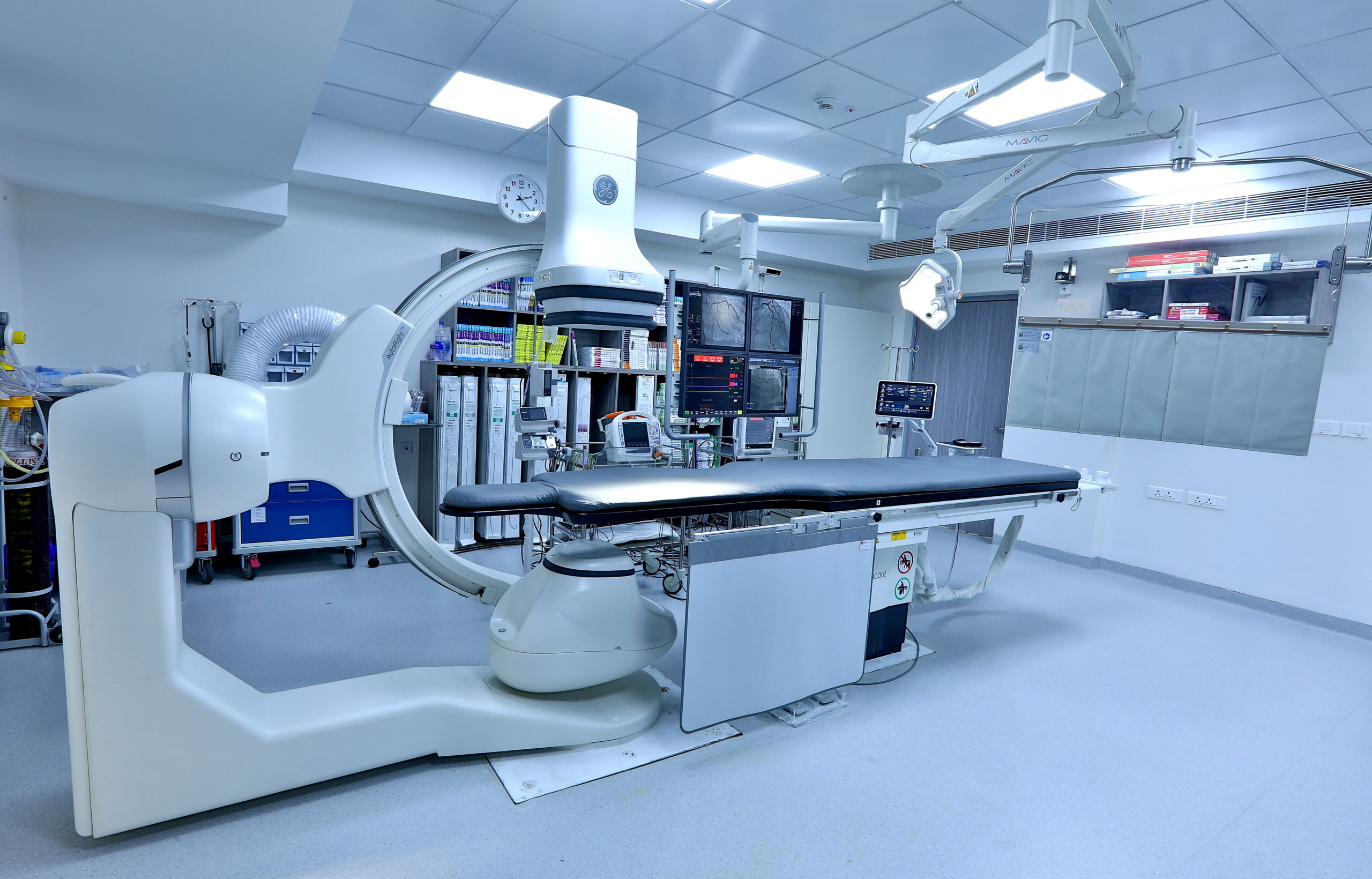
SP Medifort utilizes predictive analytics and machine learning models to identify early risk indicators and potential clinical deterioration. This enables proactive interventions, supports preventive care strategies, and enhances patient safety through early detection and timely clinical response.

AI-driven workflow optimization systems streamline patient flow management, reduce wait times, and optimize resource allocation across departments. These efficiencies enhance operational performance, improve patient experience, and support timely, coordinated care delivery.
Digital maturity in healthcare systems
Leadership accountability and governance
Patient engagement and communication
Data-driven decision-making
Continuous performance measurement