




 Insurance
Dengue in Kerala: How Changing Weather Patterns May Affect Your Risk
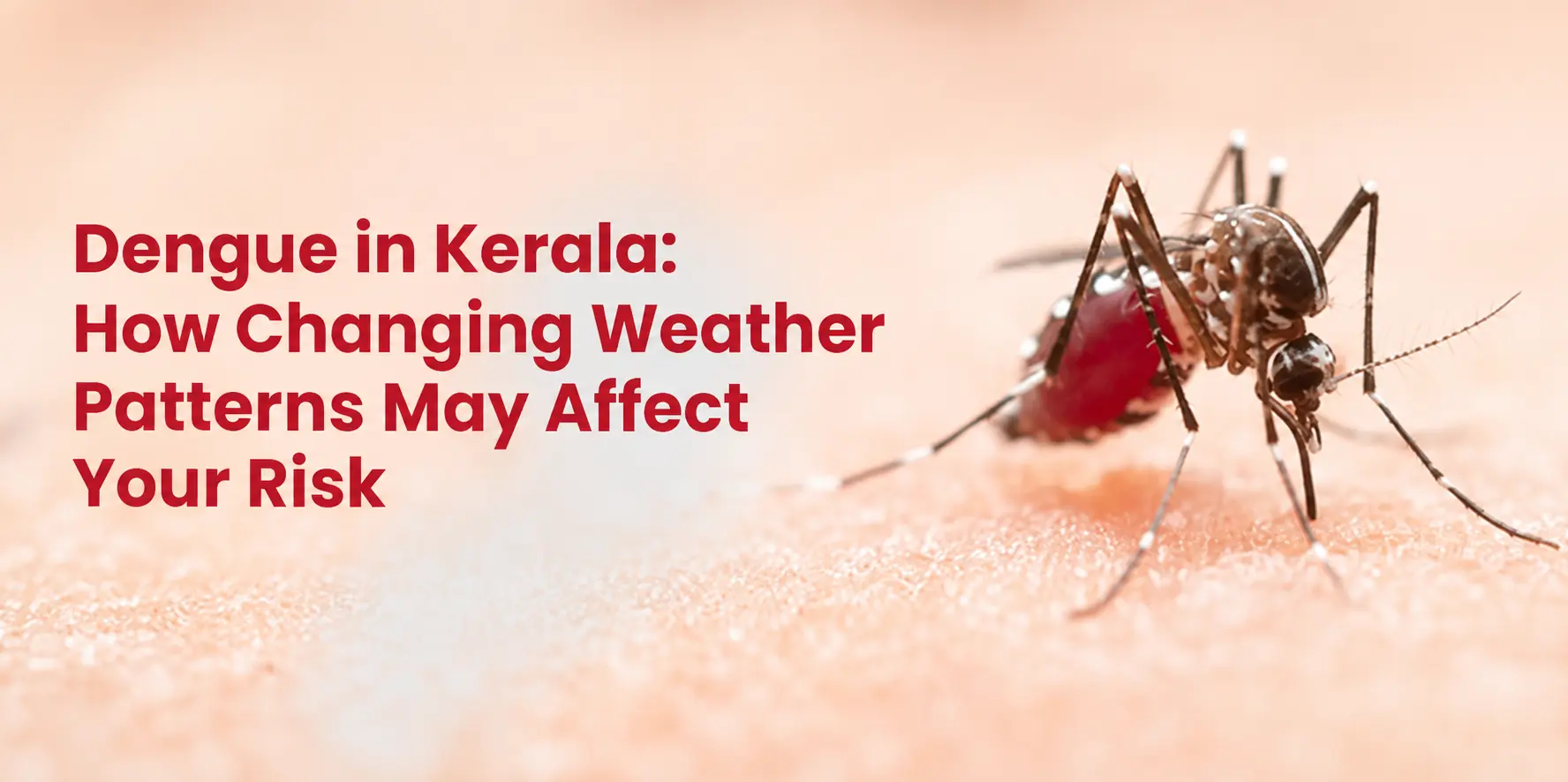
Dengue in Kerala remains an important public health concern, particularly during and after the monsoon season. The disease is transmitted by infected Aedes mosquitoes, which can breed in small collections of stagnant water around homes, workplaces and public areas.
Recent research has highlighted another important factor: changing weather patterns may influence dengue risk in Kerala. Temperature, rainfall, humidity and broader climate patterns can affect mosquito populations and dengue transmission.
Understanding these factors can help families take timely precautions and recognise the symptoms of dengue before complications develop.
Dengue in Kerala and Changing Weather Patterns
Kerala’s warm and humid climate, combined with seasonal rainfall, can create favourable conditions for mosquito breeding. A recent study examining 14 years of dengue and climate data from Kerala found associations between dengue incidence and factors including temperature, rainfall, humidity and El Nino-related climate patterns.
The research found that dengue cases in Kerala tend to follow seasonal rainfall patterns, with cases increasing around the beginning of the monsoon and reaching higher levels during the June–September period.
This does not mean that weather alone causes dengue. Dengue transmission also depends on mosquito breeding, the presence of the dengue virus, human exposure and public health measures.
How Does Weather Affect Dengue Risk?
Temperature and Dengue Transmission
Temperature can influence mosquito activity, survival and the development of the dengue virus inside mosquitoes.
Research from Kerala found that warmer pre-monsoon conditions were associated with increased dengue incidence. This suggests that monitoring temperature patterns may help identify periods when dengue risk in Kerala could increase.
However, temperature should not be considered independently. Rainfall, humidity and mosquito-control measures can also affect transmission.
Rainfall and Mosquito Breeding
Rainfall is another important factor in dengue transmission in Kerala. Rainwater can collect in containers, tyres, flowerpots, gutters and other objects, creating potential breeding sites for Aedes mosquitoes.
The relationship between rainfall and dengue is complex. Moderate rainfall can create suitable breeding conditions, while very heavy rainfall may sometimes wash away existing breeding sites. Regularly removing stagnant water after rainfall is therefore an important part of dengue prevention in Kerala.
Humidity and Dengue Risk
Humidity can affect mosquito survival and activity. The Kerala study found that temperature and humidity conditions during the pre-monsoon period were associated with subsequent dengue incidence.
This highlights why several environmental factors need to be considered together when understanding dengue fever in Kerala.
Is Climate Change Increasing Dengue Risk?
Climate change is increasingly being studied in relation to mosquito-borne diseases. Changes in temperature and rainfall patterns can potentially alter mosquito habitats and the timing of disease transmission.
A Kerala-specific study projected increases in climate-driven dengue incidence under the climate scenarios examined. For the 2021–2040 period, the researchers projected an increase of approximately 16%–20% compared with the 1995–2014 reference period.
These are model-based projections rather than exact predictions of future dengue cases. Actual dengue incidence can also be influenced by mosquito-control programmes, sanitation, population movement, healthcare access and individual behaviour.
What Is the Dengue Season in Kerala?
Dengue transmission can occur throughout the year, but cases often increase around the monsoon period.
In Kerala, increased rainfall can create additional mosquito breeding sites, while warm and humid conditions may support mosquito activity.
For this reason, dengue prevention should begin before the peak monsoon period, rather than waiting until cases start increasing.
Common Symptoms of Dengue
Recognising the symptoms of dengue fever early can help people seek appropriate medical attention.
Common symptoms may include:
- High fever
- Severe headache
- Pain behind the eyes
- Muscle and joint pain
- Nausea or vomiting
- Skin rash
- Weakness and tiredness
Symptoms can vary between individuals. Some infections may be mild, while others can become serious.
Warning Signs of Severe Dengue
People should seek prompt medical attention if they develop symptoms such as:
- Severe abdominal pain
- Persistent vomiting
- Bleeding
- Extreme weakness
- Restlessness or unusual changes in alertness
A healthcare professional can determine whether testing or further monitoring is required.
How to Prevent Dengue in Kerala
Effective dengue prevention starts with reducing mosquito breeding sites and avoiding mosquito bites.
1. Remove Stagnant Water
Check your home and surroundings regularly for water collected in:
- Flowerpot trays
- Buckets
- Old tyres
- Bottles and cans
- Roof gutters
- Water storage containers
- Discarded materials
Empty and clean containers regularly and cover water-storage vessels properly.
2. Prevent Mosquito Bites
Use mosquito repellents, protective clothing, window screens and other suitable precautions, particularly in areas where dengue activity is reported.
3. Keep Your Surroundings Clean
Mosquito control requires community participation. Keeping residential areas, workplaces and public spaces free from potential breeding sites can help reduce mosquito populations.
4. Don’t Ignore Persistent Fever
If you develop a high fever along with headache, body pain, nausea, rash or other symptoms associated with dengue, consult a healthcare professional.
Avoid self-diagnosing based only on symptoms. Depending on the stage of illness and clinical findings, a doctor may recommend appropriate dengue testing and monitoring.
When Should You Seek Medical Care for Dengue?
Not every fever is dengue, but persistent fever during a period of increased dengue activity in Kerala should not be ignored.
Medical evaluation becomes particularly important when symptoms worsen or warning signs appear. Severe abdominal pain, repeated vomiting, bleeding, extreme weakness or changes in alertness require prompt medical attention.
Early evaluation can help healthcare professionals determine the appropriate monitoring and treatment approach.
Why Dengue Awareness Matters
The connection between climate change and dengue highlights the importance of preparedness. Weather conditions can influence mosquito populations and disease transmission, but preventive action at the household and community level remains essential.
Recent research from Kerala also suggests that climate information could potentially contribute to early-warning systems for dengue outbreaks.
For families, simple measures can make a difference: remove stagnant water, prevent mosquito bites, maintain clean surroundings and seek medical advice when concerning symptoms develop.
Conclusion
Dengue in Kerala is influenced by multiple factors, including mosquito breeding, rainfall, temperature, humidity and broader climate patterns.
Recent research suggests that changing weather conditions may influence dengue transmission and could affect future patterns of dengue risk. However, climate projections are not exact predictions, and many other factors determine the actual number of cases.
The best approach is prevention and early awareness. By reducing mosquito breeding sites, protecting against mosquito bites and recognising the symptoms of dengue, individuals and families can take practical steps to reduce their risk.
If you or a family member develops a persistent fever or symptoms that may indicate dengue, consult a qualified healthcare professional for proper evaluation and care.