




 Insurance
Types of Spine Surgery – Which One Do You Really Need?
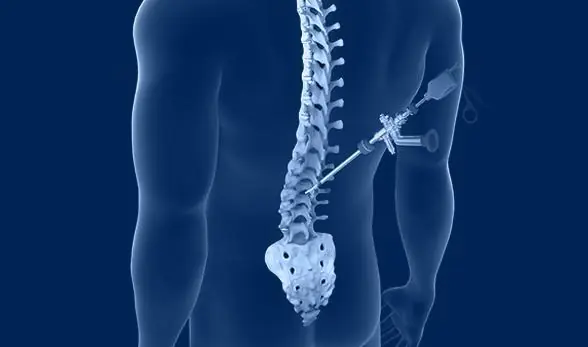
Back and spine problems are among the most common causes of chronic pain and reduced mobility today. While many spinal conditions can be managed with medication, physiotherapy, or lifestyle changes, surgery becomes necessary when pain persists, nerve function is affected, or quality of life is significantly compromised.
Spine surgery is not a one-size-fits-all solution. The type of procedure recommended depends on the exact diagnosis, severity of symptoms, age, lifestyle, and overall health of the patient. Understanding the different types of spine surgery can help you feel more confident and informed when discussing treatment options with your doctor.
When Is Spine Surgery Recommended?
Spine surgery may be advised if you experience:
- Persistent back or neck pain despite conservative treatment
- Numbness, tingling, or weakness in arms or legs
- Difficulty walking or maintaining balance
- Loss of bladder or bowel control
- Progressive spinal deformity or instability
Early diagnosis and expert evaluation play a key role in choosing the right surgical approach.
Common Types of Spine Surgery
-
Discectomy
A discectomy involves removing a portion of a herniated or slipped disc that is pressing on nearby nerves.
Who needs it?
Patients with severe leg or arm pain (sciatica), numbness, or muscle weakness caused by a compressed nerve.
Benefits:
- Quick pain relief
- Minimally invasive options available
- Short hospital stay and faster recovery
-
Laminectomy
In this procedure, the surgeon removes part of the lamina, the back portion of the vertebra, to relieve pressure on the spinal cord or nerves.
Who needs it?
Commonly recommended for patients with spinal stenosis, especially older adults.
Benefits:
- Reduces nerve compression
- Improves walking ability
- Relieves chronic back and leg pain
-
Spinal Fusion
Spinal fusion permanently joins two or more vertebrae to stabilize the spine and prevent painful movement.
Who needs it?
Patients with spinal instability, fractures, severe arthritis, scoliosis, or after disc removal.
Benefits:
- Restores spinal stability
- Reduces chronic pain
- Prevents further degeneration
-
Minimally Invasive Spine Surgery (MISS)
This approach uses small incisions and specialized instruments to perform spine procedures with minimal tissue damage.
Who needs it?
Ideal for patients who qualify for less invasive treatment options.
Benefits:
- Less pain after surgery
- Smaller scars
- Faster recovery and reduced hospital stay
-
Artificial Disc Replacement
Instead of removing a disc and fusing the spine, an artificial disc is placed to preserve motion.
Who needs it?
Selected patients with degenerative disc disease but good spinal stability.
Benefits:
- Maintains flexibility
- Reduces stress on adjacent discs
- Faster return to normal activities
-
Deformity Correction Surgery
This surgery corrects abnormal spinal curvature such as scoliosis or kyphosis.
Who needs it?
Patients with progressive deformity causing pain, breathing difficulty, or cosmetic concerns.
Benefits:
- Improves posture and alignment
- Reduces pain
- Enhances overall function and confidence
How Do Doctors Decide Which Surgery You Need?
The right surgery depends on:
- MRI, CT scan, and X-ray findings
- Severity and duration of symptoms
- Age and physical activity level
- Underlying medical conditions
- Response to non-surgical treatments
A spine specialist will carefully evaluate all factors before recommending surgery.
Life After Spine Surgery
Recovery varies depending on the type of surgery and the patient’s health. Most patients benefit from:
- Physiotherapy and rehabilitation
- Pain management support
- Lifestyle modifications
- Regular follow-up consultations
With proper care, many patients experience significant pain relief, improved mobility, and a better quality of life.
Conclusion: The Right Surgery Makes All the Difference
Spine surgery is a major decision, but it can be life-changing when done for the right reasons. Understanding your options empowers you to ask informed questions and actively participate in your treatment plan. Always consult an experienced spine specialist to determine the safest and most effective approach for your condition.