




 Insurance
Chicken Pox: Symptoms, Causes, Diagnosis, Treatment, and Recovery
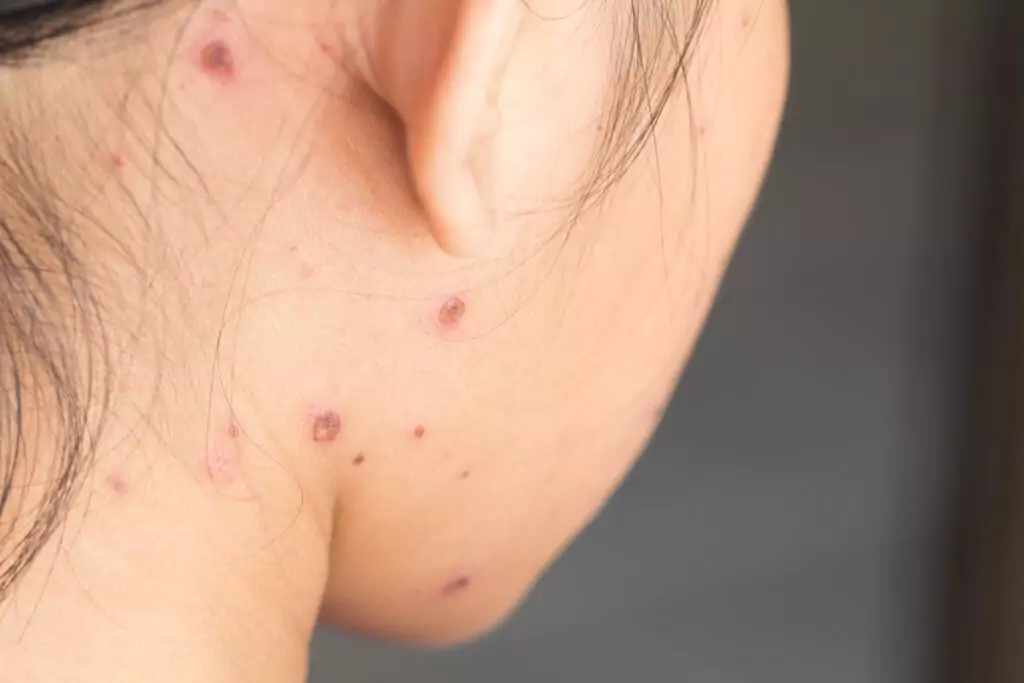
Chickenpox, also known as varicella, is a highly contagious viral disease caused by the chickenpox virus, medically referred to as the varicella-zoster virus. It is most commonly seen in children, but chickenpox in adults can be more severe and is associated with a higher risk of complications. The infection typically presents as a viral fever with a rash, making early recognition and appropriate medical care essential. At SP Medifort Hospital, we focus on timely diagnosis, effective chickenpox treatment, and comprehensive recovery support to prevent complications and long-term effects.
The varicella infection spreads easily through respiratory droplets when an infected person coughs or sneezes, as well as through direct contact with the fluid from chickenpox blisters. Because it is a highly contagious viral infection, transmission can occur even before the rash appears. Individuals are considered infectious from one to two days before the onset of symptoms until all lesions have crusted over. This makes isolation during chickenpox a critical step in preventing the spread of the disease, especially in households, schools, and healthcare settings.
The early symptoms of chickenpox often resemble a general viral illness and may include fever, headache, body pain, fatigue, and loss of appetite. Soon after, a distinctive skin rash with fever begins to appear. This rash starts as small red spots that quickly progress into fluid-filled skin lesions. Over the next few days, these red spots, turning into blisters, spread across the body, commonly affecting the scalp, face, chest, back, and limbs. The blisters eventually burst, dry out, and form scabs, a process known as crusting of blisters. Severe itchy skin rash, discomfort, and disturbed sleep are common during this phase of the illness.
The severity of chickenpox symptoms varies depending on age and immune status. Chickenpox in children is usually mild and self-limiting, whereas chickenpox in adults, pregnant women, and individuals with weakened immune systems can lead to serious chickenpox complications. These may include secondary skin infection, pneumonia, dehydration, inflammation of the brain, and, in rare cases, life-threatening illness. Chickenpox in pregnancy requires special medical attention, as it can pose risks to both the mother and the unborn baby. Prompt medical evaluation is therefore essential in high-risk groups.
Diagnosis of chickenpox is often clinical, based on the appearance of the characteristic rash and associated symptoms. In cases where the diagnosis is uncertain, laboratory tests may be performed to confirm the presence of the varicella-zoster virus. At SP Medifort Hospital, our physicians ensure accurate chickenpox diagnosis while assessing the patient’s age, immunity status, and risk of complications to guide appropriate care.
Chickenpox treatment is mainly supportive and focuses on relieving symptoms while preventing complications. Fever and body aches are managed with appropriate chickenpox medication, while antihistamines and soothing topical applications help in managing itching in chickenpox. Maintaining good hydration and skin hygiene is essential to reducing the risk of secondary skin infection. In moderate to severe cases, particularly in adults or immunocompromised patients, antiviral treatment for chickenpox may be prescribed to shorten the duration of illness and reduce severity. Early initiation of treatment plays a key role in minimizing complications and improving recovery outcomes.
Proper chickenpox home care is crucial during the recovery phase. Scratching the blisters can result in post-chickenpox scarring, so patients are advised to keep nails trimmed and avoid irritating the skin. Gentle cleansing, adequate rest, and a nutritious diet support healing and strengthen chickenpox immunity. Most patients recover within one to two weeks, although fatigue may persist briefly after the rash resolves. Preventive measures during recovery also help in preventing chickenpox scars, which are more common when lesions become infected or are repeatedly scratched.
Prevention remains one of the most effective strategies against chickenpox infection. The chickenpox vaccine, also known as the varicella vaccination, is highly effective in preventing the disease or significantly reducing its severity. Vaccination helps build long-term chickenpox immunity and is strongly recommended for children and non-immune adults. At SP Medifort, our preventive care services emphasize chickenpox prevention through timely immunization, patient education, and community awareness programs.
It is also important to understand that after recovery, the varicella-zoster virus remains dormant in the body and can reactivate later in life as shingles. Maintaining good immunity and seeking timely medical care for viral illnesses can reduce the risk of reactivation and associated complications.
If you or your child experiences a fever followed by an itchy skin rash, skin blisters, or symptoms suggestive of viral fever with rash, it is important to seek medical evaluation without delay. Early diagnosis, proper treatment, and guided recovery care can prevent complications and ensure a smooth healing process. At SP Medifort Hospital, our experienced medical team provides comprehensive care for chickenpox, from accurate diagnosis and treatment to recovery guidance and preventive counseling, ensuring patient safety, comfort, and long-term well-being.