




 Insurance
Signs and Symptoms of Skin Cancer: Early Warning Signs You Should Know
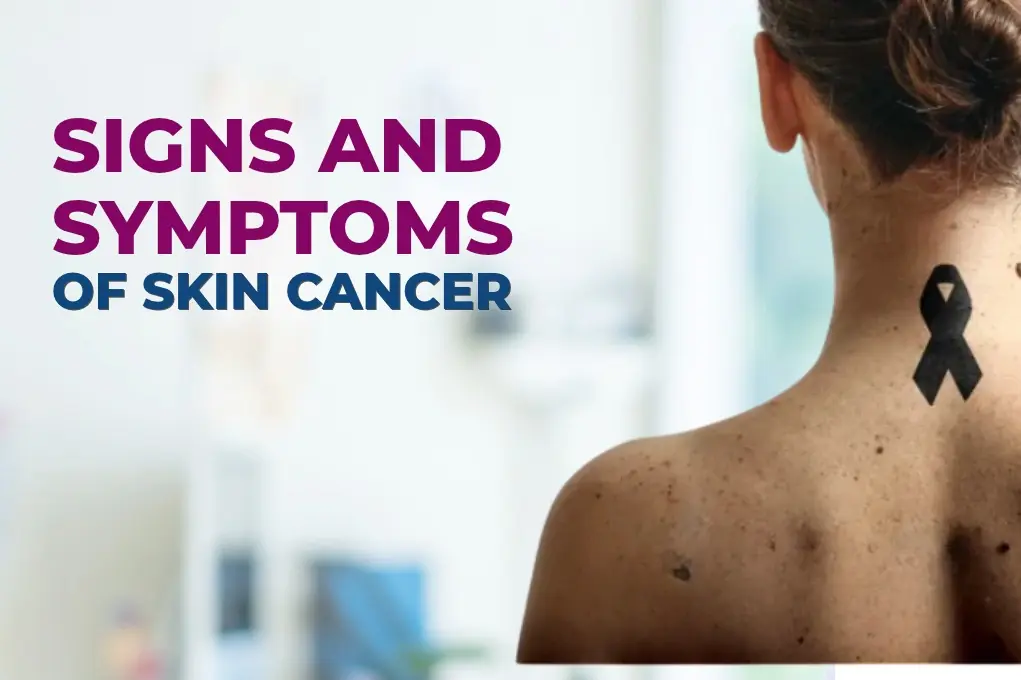
Skin cancer occurs when abnormal cells grow uncontrollably in the skin. Recognising the signs and symptoms of skin cancer early is important for timely diagnosis and treatment. Changes in moles, unusual skin growths and sores that do not heal are some of the common warning signs that should not be ignored.
Whether you are looking for information about early signs of skin cancer in Kerala or seeking expert skin cancer evaluation in Trivandrum, understanding these symptoms can help you take the right steps towards better skin health.
What Are the Early Signs and Symptoms of Skin Cancer?
The early symptoms of skin cancer may appear as new spots, unusual growths or changes in existing moles. Some common skin cancer warning signs include:
- A new mole or unusual skin growth
- Changes in the size, shape or colour of an existing mole
- A sore that does not heal
- Red, rough or scaly patches on the skin
- A spot that repeatedly bleeds or develops a crust
- Persistent itching, tenderness or pain around a skin growth
- A dark line or unusual pigmentation beneath a fingernail or toenail
These skin cancer symptoms can vary depending on the type of cancer. Not every unusual skin change indicates cancer, but persistent or changing spots should be examined by a medical professional.
If you notice unusual skin changes, consider seeking a skin cancer consultation in Trivandrum for proper evaluation.
Understanding the ABCDE Rule for Skin Cancer
The ABCDE rule helps identify possible warning signs of melanoma, a type of skin cancer.
A – Asymmetry: One half of a mole looks different from the other.
B – Border: The edges appear irregular, uneven or blurred.
C – Colour: The mole contains different shades of brown, black, red, white or blue.
D – Diameter: The spot may be larger than 6 mm, although smaller melanomas can also occur.
E – Evolving: The mole changes in size, shape, colour or appearance over time.
Understanding these melanoma warning signs can help identify suspicious skin changes early. If you notice any of these changes, consult a qualified specialist.
What Are the Different Types of Skin Cancer?
Understanding the common types of skin cancer can help you recognise their different symptoms.
1. Basal Cell Carcinoma
Basal cell carcinoma may appear as a shiny bump, a pink or red scaly patch, or a sore that does not heal. It commonly develops on sun-exposed areas such as the face, neck and hands.
2. Squamous Cell Carcinoma
Squamous cell carcinoma may appear as a firm red or skin-coloured bump, a rough scaly patch or an open sore that bleeds or develops a crust.
3. Melanoma
Melanoma develops from pigment-producing cells in the skin. It may appear as a new unusual spot or a mole that changes in size, shape or colour. Recognising melanoma symptoms early is particularly important.
If you are concerned about a suspicious mole or skin growth, seek skin cancer specialist consultation in Trivandrum.
What Causes Skin Cancer?
Several factors can increase the risk of developing skin cancer. These include:
- Excessive exposure to ultraviolet (UV) radiation from sunlight
- Frequent sunburn
- Use of indoor tanning beds
- Family history of skin cancer
- Previous skin cancer diagnosis
- Certain medical conditions or treatments that weaken the immune system
Understanding these skin cancer risk factors is important for prevention. Skin cancer can develop in people without obvious risk factors and may also occur on areas that receive little sunlight.
How Is Skin Cancer Diagnosed?
Early and accurate skin cancer diagnosis helps doctors determine the appropriate treatment. The evaluation may include:
- Physical skin examination: Checking unusual moles, spots and growths.
- Dermatoscopy: Examining suspicious skin lesions using a specialised magnifying instrument.
- Skin biopsy: Removing a small sample of skin for laboratory examination to confirm whether cancer cells are present.
If you are searching for skin cancer diagnosis in Trivandrum, consult a qualified medical professional for an appropriate assessment.
What Are the Treatment Options for Skin Cancer?
The appropriate skin cancer treatment depends on the type, size, location and stage of the cancer. Treatment options may include:
- Surgical removal of the affected skin tissue
- Mohs surgery for selected skin cancers
- Cryotherapy for certain superficial lesions
- Radiation therapy in selected cases
- Medicines or other specialised treatments depending on the cancer type
Early diagnosis can provide more treatment options and improve outcomes. Patients seeking skin cancer treatment in Trivandrum, Kerala should receive an individual treatment plan based on their diagnosis.
How Can You Reduce the Risk of Skin Cancer?
Although not all cases can be prevented, certain habits may help reduce the risk of skin cancer.
- Apply broad-spectrum sunscreen when outdoors.
- Wear protective clothing, hats and sunglasses.
- Avoid excessive exposure to direct sunlight.
- Avoid indoor tanning beds.
- Examine your skin regularly for unusual changes.
- Seek medical advice for persistent or changing skin lesions.
Regular skin checks and timely medical attention are important parts of skin cancer prevention and early detection.
When Should You Consult a Doctor?
Do not ignore a mole that changes, a spot that grows rapidly or a sore that repeatedly bleeds or does not heal. Early medical evaluation can help identify suspicious skin changes and determine whether further testing is necessary.
If you notice possible signs and symptoms of skin cancer, seek medical advice without delay. Patients looking for expert cancer care in Trivandrum can consult the appropriate specialists at SP Medifort Hospital for evaluation and guidance.
SP Medifort Hospital in Thiruvananthapuram, Kerala, is committed to providing quality healthcare and specialist medical services.