Loading...
Loading...
Loading...
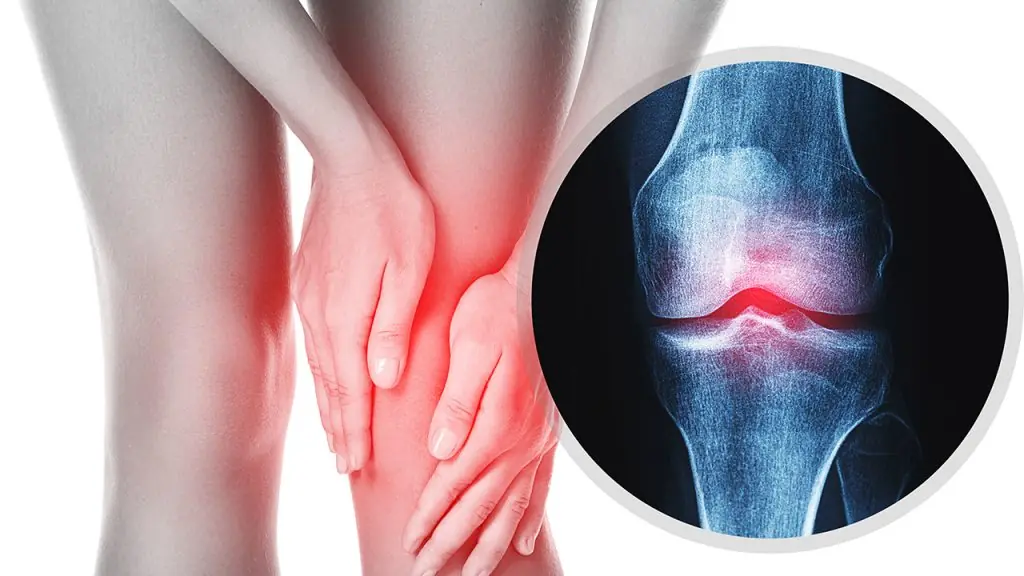
Bones are living tissues that constantly break down and rebuild throughout life. They provide structure to the body, protect vital organs, enable movement, and store essential minerals such as calcium and phosphorus. When this balance is disrupted due to age, lifestyle, medical conditions, or nutritional deficiencies, bone diseases can develop.
Bone diseases often progress silently, showing symptoms only after significant damage has occurred. Early diagnosis and timely treatment are crucial to maintaining mobility, preventing fractures, and preserving quality of life.
At SP Medifort, our orthopedic and bone health specialists provide comprehensive care for patients of all ages, combining advanced diagnostics with personalized treatment plans.
Bone diseases are conditions that weaken bone strength, reduce bone density, alter bone structure, or interfere with normal bone growth and repair. These conditions can cause pain, deformity, frequent fractures, and disability if left untreated.
Bone diseases can affect:
Osteoporosis is one of the most common bone diseases, characterized by reduced bone density and increased fragility. Bones become porous and brittle, increasing the risk of fractures, particularly in the hip, spine, and wrist. It often progresses without symptoms until a fracture occurs.
Risk factors include aging, menopause, hormonal imbalance, poor calcium intake, and a sedentary lifestyle.
Osteoarthritis is a degenerative joint condition where the protective cartilage between bones wears down over time. This leads to pain, stiffness, swelling, and reduced joint movement, commonly affecting the knees, hips, spine, and hands.
Paget’s disease disrupts the normal process of bone renewal. Affected bones may become enlarged, misshapen, and weaker, increasing the risk of fractures, arthritis, and nerve compression.
These conditions result from vitamin D deficiency, which affects calcium absorption.
Bone cancer may originate in the bone (primary) or spread from another part of the body (secondary). Symptoms may include persistent bone pain, swelling, unexplained fractures, and fatigue. Early detection is critical for successful treatment.
This condition occurs when reduced blood supply causes bone tissue to die, most commonly affecting the hip joint. It may lead to joint collapse if not treated early.
Bone disease symptoms may develop gradually and include:
Bone density naturally decreases with age, increasing fracture risk.
Reduced estrogen in women and testosterone in men accelerates bone loss.
Low intake of calcium, vitamin D, and protein weakens bones over time.
Lack of weight-bearing exercise reduces bone strength.
A family history of bone disease increases susceptibility.
Chronic illnesses and long-term steroid use can negatively affect bone health.
Measures bone mineral density and assesses fracture risk.
X-rays, MRIs, or CT scans help detect fractures, joint damage, tumors, or deformities.
Identify vitamin deficiencies, hormonal imbalances, and metabolic disorders.
In rare cases, used to confirm cancer or infection.
Improves balance, strength, and mobility while reducing fracture risk.
May be required for fractures, joint replacements, or advanced bone conditions.
Braces, walking aids, and orthotics help improve safety and independence.
Bone diseases are often preventable with early screening, healthy lifestyle choices, and timely medical care. Regular bone health assessments are especially important for older adults and those at high risk.
At SP Medifort, we are committed to helping you stay active, mobile, and pain-free at every stage of life.