




 Insurance
Advanced Heart Care, Every Solution under One Roof
Overview
Overview
Advanced Heart Care, Every Solution under One Roof
Your general health is largely dependent on your heart, the body’s essential muscular engine. Our entire physiology performs at its peak when your heart is healthy, supporting other organs, boosting energy levels, and promoting better physical and mental balance.
The heart is more than just an organ that pumps blood that is rich in oxygen, as we at SP Medifort recognize. Additionally, it is the body’s emotional core, affecting daily quality of life, stress levels, and mood. An alarming number of young people are experiencing heart-related problems as a result of stress, sedentary lifestyles, and unhealthy routines in the modern world. Dedicated cardiac care is therefore more important than ever. SP Medifort is recognized not only as a cardiology hospital in South India, but also among the top cardiology hospitals in South India, offering expert cardiac care and 24-hour emergency care.
Globally, cardiovascular disease (CVD) causes about 17.9 million deaths each year, making it the leading cause of death.
Many conditions are preventable or manageable with lifestyle changes, medication, or surgery, depending on severity. Sp Medifort has been recognized as the advanced cardiac hospital for heart surgery patients.
Highlights
Why Select SP Medifort for Heart Treatment?
Our Approach
The Department of Cardiology at SP Medifort is dedicated to providing accurate diagnosis, efficient prevention, and advanced therapy for a variety of cardiac and cardiovascular health problems. Our cardiology department is equipped with highly skilled and Expert Cardiologists in Kerala, revolutionary diagnostic tools, cardiac diagnostic services, and contemporary critical care support because we recognize that every second matters during a cardiac emergency. We are equipped for 24-hour emergency care and management of acute cardiac events, making us a top choice for urgent heart attack treatment.
Our methodology is based on a patient-centered attitude. In order to provide continuous and all-encompassing care, we place a strong emphasis on thorough examination, individualized Cardiology treatment in South India and the collaborative heart team concept. We concentrate on high priority on patient education, disease prevention, and cardiac rehabilitation in addition to providing top-notch medical care, enabling people to take control of their long-term heart health. Cardiac treatment at SP Medifort is prompt, accurate, and compassionate care intended to save lives and assist patients in leading stronger, healthier, and heart-positive lives. It goes beyond simple medical intervention.
Recognized as one of the top heart hospitals in South India and among the best hospitals for cardiology in South India, SP Medifort offers a full continuum of heart care under one roof. As a leading quaternary care facility in South India, we integrate advanced diagnostics, surgical excellence, and compassionate care for every patient.
- Highly skilled and knowledgeable cardiac specialists dedicated to providing Advanced Cardiology Care.
- Advanced medical technology and specialized diagnostic tools provide precise and timely identification of cardiac disorders.
- Thorough assessment and customized treatment programs made to meet the specific requirements of every patient.
- Strong dedication to long-term heart health and awareness through patient treatment, education, and continuing research.
- A track record of success and significant accomplishments in cardiac treatment that demonstrate our quality, dependability, and patient confidence.
- Particular expertise of a broad spectrum of cardiac issues and treatments, from complicated surgeries to preventive care.
As a leading healthcare provider in South India and a leading cardiac hospital in South India, we provide comprehensive care across the spectrum of heart disease.
- 24 x 7 chest pain clinic
- 24 x 7 primary angioplasty for heart attack
- Coronary care unit
- Preventive cardiology and Cardiac Rehabilitation
- Well experienced heart specialists
Technology
3D Cath Lab (GE Allia) with Artificial Intelligence
- 3D Cath Lab (GE Allia) with Artificial Intelligence – 1st in South Asia – for highly safe, fast & precise cardiac and vascular interventions.
- Real-time image guidance with Artificial Intelligence
Complex angioplasty, structural heart & Interventional Cardiac Care and Radiology procedures - Lowest possible radiation dose for patient safety
Optimal image quality for clinical precision - The AutoRight AI software optimizes the image quality for best views of the vessels so that the interventional cardiologist can proceed with the least possible low contrast or radiation dose, swiftly and precisely.
Laser Angioplasty with the Next Generation Philip Excimer system
Laser Angioplasty with the Next Generation Philip Excimer system – 1st in south Kerala
- Treats complex heart conditions faster
- Laser technology with 20+ years of clinical experience
- 600,000+ procedures performed globally
- Ready to treat in 30 seconds
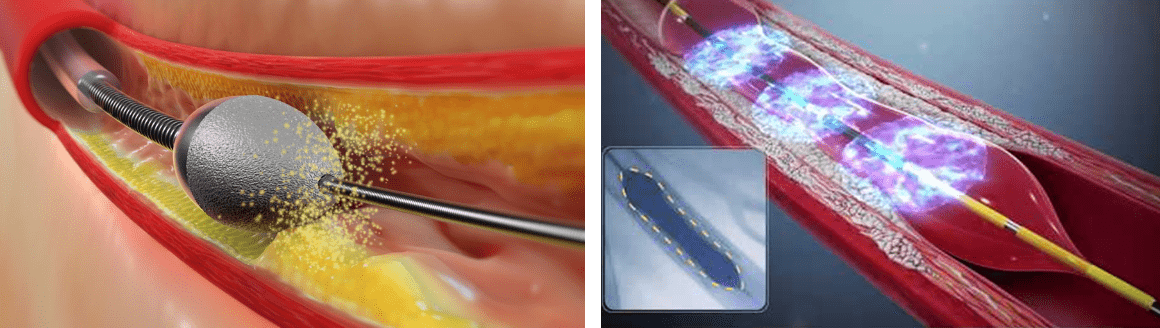
Rotablator for hard, calcified plaques
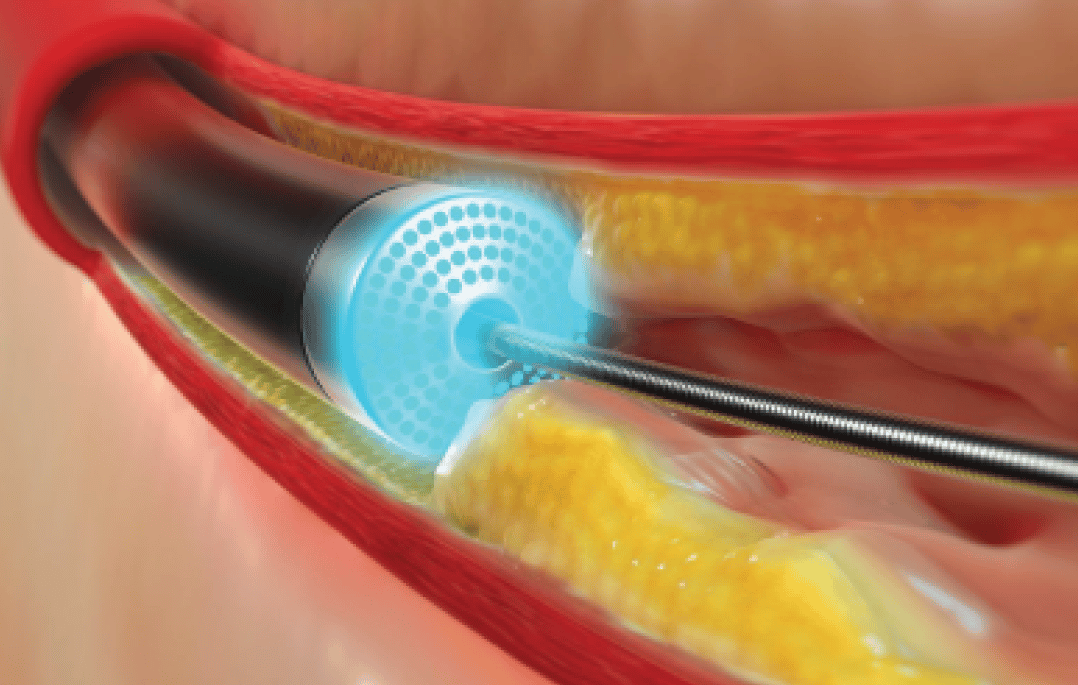
- Rotablator for hard, calcified plaques
- Fractional Flow Reserve (FFR) technology
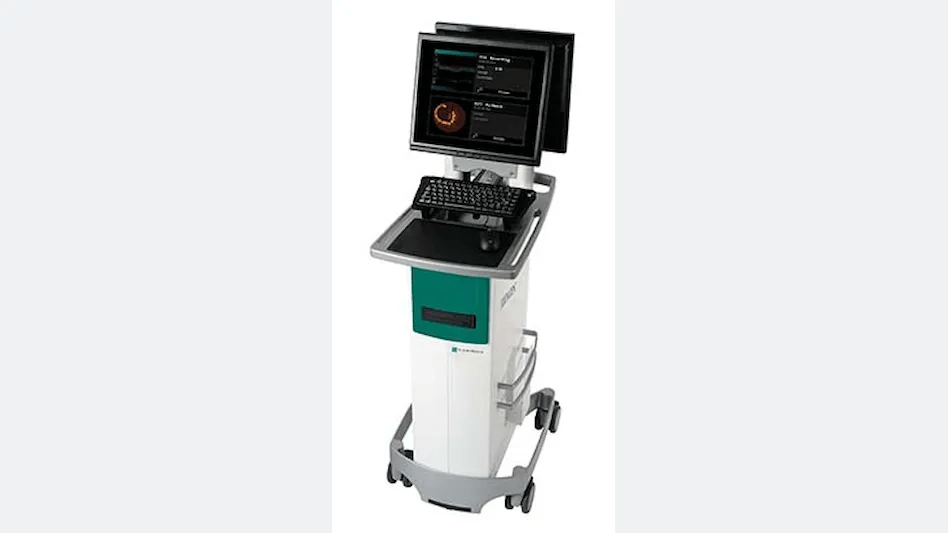
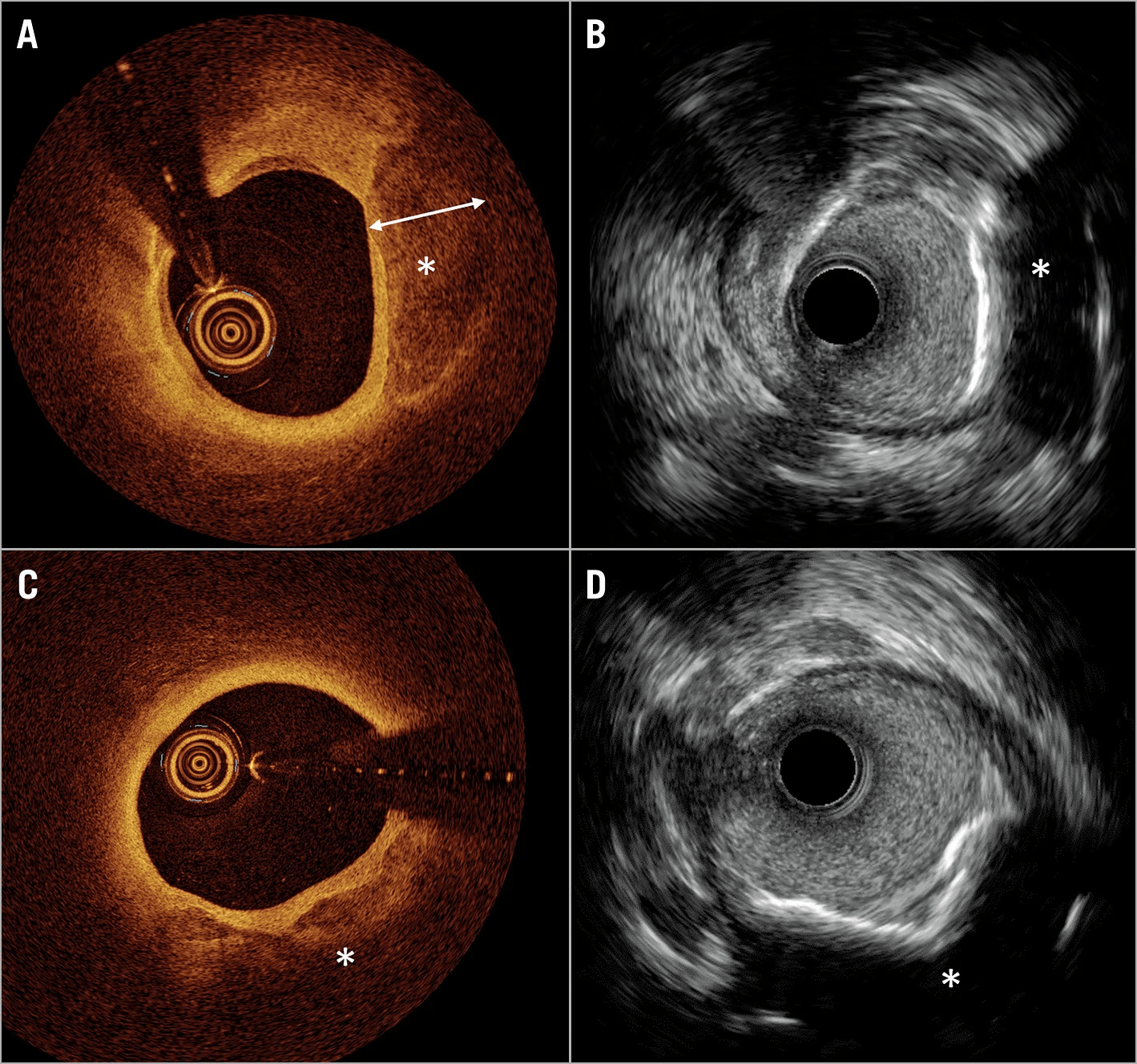
- Optical Coherence Tomography technology for high-precision angioplasty
- HD IVUS for safe zero-contrast angioplasty
- 3D Echo and strain imaging
- Advanced diagnostics: ECG, ECHO, TMT, HOLTER, ABPM
Our cardiac imaging suite includes Optical Coherence Tomography technology treatment to guide precise interventional decisions and optimise outcomes.
Treatments offered at SP Medifort Department of Cardiovascular Sciences
- Diagnostic cardiac catheterization
- Biopsy
- Atherectomy: rotational atherectomy catheter for complex plaque removal, a key advanced cardiac procedure.
- Balloon angioplasty (Percutaneous Transluminal Coronary Angioplasty – PTCA) with stenting and support for high-risk lesions.
- Coronary Angioplasty – PTCA)
- Percutaneous Coronary Intervention (PCI)
- Septal closure devices: e.g., patent foramen ovale (PFO) and atrial septal defect (ASD)
- VSD
- Stenting
- Thrombectomy
- Percutaneous Valve Interventions
- Electrophysiological studies such as AV node ablation
- Rotablation of heavily calcified vessels
- Left and right-sided pressure studies
- Fontan Fenestration and Baffle Leak Closure
- Atrial Septostomy or Fontan Fenestration Creation
- Transcatheter Aortic Valve Implantation (TAVI) for minimally invasive treatment of severe aortic stenosis.
- Pulmonary Angiography
- Pulmonary Balloon Valvotomy (PBV)
- Patent Ductus Arteriosus (PDA Closure)
- Paravalvular Leak Closure
- Balloon Aortic Valvotomy
- Ruptured Sinus of Valsalva Aneurysm (RSOV)
- Temporary Pacemaker Implantation
- Permanent Pacemaker Implantation
- Permanent Pacemaker Implantation (Ppi)- HIS Bundle Pacing
- Automatic Implantable Cardioverter Defibrillator
- Cardiac Resynchronization Therapy Pacemaker
- Cardiac Resynchronization Therapy Defibrillator
- Electrophysiology Study (EP Study)
- 2D Mapping
- 3D Mapping
- Thyroid: FNA biopsy
- Liver: TACE, TARE, PTBD (Percutaneous Trans-hepatic Biliary Drainage)
- Upper limbs: Fistula Angioplasty
- Kidney: Nephrostomy/ Embolization
- Lower limbs: Diabetic foot – Angioplasty
- SMA Angioplasty, Aortic stenting
- Endovascular Repair of Aortic Aneurysm
- Thoracic Endovascular Repair of Aorta Fenestrated
- Endovascular Aortic Repair
- Renal Angiography
- Renal Angioplasty
- Peripheral Angiography
- Peripheral Angioplasty
- Embolization And Coiling
- Thoracic Endovascular Aortic Repair (TEVAR)
- Therapy For Pulmonary Embolism DVT Thrombus
- Carotid Angiography
- Carotid Angioplasty
- Endovenous Laser Therapy
- Varicose Vein Treatment
- Mechanochemical Endovenous Ablation
- Digital Subtraction Angiography (Dsa)
- Aortic Angio
- Subclavian Angiography
- Subclavian Angioplasty
Diseases
Heart Diseases treated at SP Medifort
Coronary Artery Disease (CAD)
Narrowing or blockage of the coronary arteries due to plaque buildup.
Arrhythmias
Irregular heart rhythms, including atrial fibrillation, tachycardia, and bradycardia.
Heart Failure
When the heart cannot pump blood effectively, leading to fatigue and fluid buildup.
Cardiomyopathy
Disease of the heart muscle that makes it harder for the heart to pump blood.
Heart Valve Disease
Malfunction of valves (stenosis, regurgitation, or prolapse) affecting blood flow.
Congenital Heart Disease
Structural problems present at birth, such as septal defects.
Pericarditis
Inflammation of the sac surrounding the heart.
Endocarditis
Infection of the inner lining of the heart chambers and valves.
Aortic Aneurysm & Dissection
Bulging or tearing of the aorta, the body’s main artery.
Peripheral Artery Disease (PAD)
Narrowing of arteries outside the heart, often in the legs.
Stroke (related to cardiovascular disease)
Blockage or bleeding in brain vessels due to heart-related issues.
Hypertensive Heart Disease
Damage caused by long-term high blood pressure.
Angina
Chest pain due to reduced blood flow to the heart.
Sudden Cardiac Arrest
Abrupt loss of heart function, often due to arrhythmia.
Rheumatic Heart Disease
Damage from untreated strep infections leading to valve problems.
Pulmonary Hypertension
High blood pressure in the arteries of the lungs affecting the heart.
Early Heart Disease Symptoms
Things You Shouldn’t Ignore Heart disease frequently progresses silently, and many patients may not experience any symptoms until the illness worsens. Timely diagnosis and treatment can be greatly impacted by identifying early warning symptoms. Some of the most typical—and frequently disregarded—symptoms of cardiac disease are listed below:
Angina is a common symptom that can feel like pressure, tightness, squeezing, burning, or heaviness in the chest. It typically happens after meals, after physical exercise, or under emotional stress, and it normally goes away with relaxation.
Breathing difficulties while lying down or during physical activity may be a sign of the heart’s reduced ability to pump blood efficiently.
Even with minimal physical activity, persistent fatigue or poor energy can indicate early heart disease, particularly in women.
Arrhythmias or underlying cardiac disease may be indicated by irregular heartbeats, fast heartbeats, skipped beats, or a fluttering feeling in the chest.
When the heart cannot sustain sufficient blood flow to the brain, dizziness, lightheadedness, or fainting may result.
Fluid accumulation in the body is frequently associated with circulation problems or heart failure.
The neck, jaw, shoulders, back, or left arm may all experience discomfort. Atypical pain patterns can also occur in women.
Advanced Heart Procedures at SP Medifort
Our Department of Cardiology at SP Medifort provides a full range of innovative, minimally invasive cardiac procedures. Our team includes top cardiology specialists in Kerala, backed by a multidisciplinary unit for diagnosis and treatment of cardiac conditions. We offer advanced interventional therapies including Optical Coherence Tomography technology treatment, Atherectomy, Percutaneous Transluminal Coronary Angioplasty (PTCA), and Transcatheter Aortic Valve Implantation (TAVI) as part of comprehensive cardiac care. We guarantee safe, accurate, and prompt treatment for all heart-related diseases using modern technology, skilled interventional experienced cardiologists, and 24-hour emergency Cardiac Patient care.
A detailed list of every cardiac procedure carried out at SP Medifort may be seen below.
Emergency Angioplasty (Primary Angioplasty)
During an acute myocardial infarction (heart attack), primary angioplasty, also known as percutaneous coronary intervention (PCI), is a life saving surgery. It promptly opens clogged coronary arteries and replenishes the heart’s blood supply.
How we do it
- Carried out while under local anesthesia.
- The arm or thigh is used to introduce a catheter.
- The clogged artery is opened using a balloon.
- To keep the artery open indefinitely, a medicated stent is inserted.
- Because every second counts, SP Medifort offers Primary Angioplasty services around the-clock, guaranteeing treatment within the suggested golden window of 30 to 60 minutes.
Whether you need routine consultation or emergency treatment, SP Medifort stands as the best heart hospital in South India and your trusted hospital for cardiology.
Angioplasty and Elective Coronary Angiography
To identify and treat heart and blood vessel problems before they become life-threatening, elective angiography and angioplasty are carried out.
Suggested for individuals with:
- Discomfort or pain in the chest
- Jaw, neck, arm, or back pain
- Results of abnormal stress tests
- Disorders of the valves
- Possible coronary artery disease
- Congenital cardiac issues
Coronary Angiography
An X-ray camera creates detailed images (angiograms) to identify blockages after injecting a contrast dye.
Angioplasty
To restore blood flow, angioplasty with stenting is carried out at the same sitting if obstructions are discovered.
IVUS and OCT-Based Complex Coronary Angioplasty
Modern imaging technologies are used by SP Medifort to precisely guide complicated angioplasty situations.
- Provide precise ultrasound pictures taken inside the artery.
- Aids in locating hidden obstructions and plaque accumulation.
- Beneficial for complicated lesions and restenosis.
- Provides high-quality pictures of the walls of arteries.
- Aids in distinguishing between fibrous, lipid-rich, and calcified plaques.
- Helps choose the ideal stent size for the best outcomes.
Chronic Total Occlusion (CTO) PCI
CTO PCI is a specialised technique used to open arteries that are completely blocked for more than 3 months.
Highlights:
- Requires advanced expertise and dual approach (antegrade & retrograde).
- A catheter is guided through collateral vessels to reach the blocked artery.
- Balloon angioplasty and stenting are performed to restore blood supply.
PCI Guided by FFR
The degree of blockage can be ascertained by measuring pressure changes across a constricted coronary artery using Fractional Flow Reserve (FFR).
Why it matters:
- Determines which lesions actually require stenting.
- Avoids needless angioplasties.
- Offers targeted, goal-oriented care.
- The cardiologist is assisted in making decisions by a pressure-sensing catheter that assesses oxygen delivery. We provide expert heart center for coronary artery treatment at SP Medifort
Cardiac Catheterization for Diagnosis
Numerous cardiovascular disorders can be diagnosed using cardiac catheterization.
It assists in evaluating:
- Obstructed or constricted arteries
- Pressure and oxygen concentrations within chambers
- Heart valve operation
- Ventricular function
- Heart abnormalities that are congenital
- Frequently used in tandem with angioplasty or angiography as necessary.
Percutaneous Valvuloplasty
A minimally invasive method for treating pulmonary, aortic, or mitral valve stenosis.
How it is beneficial?
- The narrowed valve is opened with one or more balloons.
- An excellent substitute for people who are at a high risk of surgery.
- Instantly relieves symptoms including exhaustion and dyspnea.
SP Medifort is a cardiac surgery hospital and one of the best hospitals for cardiothoracic surgery in South India, providing advanced cardiac surgery in South India and postoperative care.
Aortic valve replacement with transcatheter (TAVR)
When the aortic valve fails to open adequately (aortic stenosis), TAVR is advised, particularly in patients who are not good candidates for open heart surgery.
Benefits:
- Reduces chest pain, fainting, breathlessness, and swelling
- Safe choice for people with lung or renal diseases
- Minimizes recovery time and returns valve function to normal.
- Without requiring serious surgery, a catheter replaces the damaged valve with a new one.
We are top the cardiac facility for valve replacement procedures
Implanting a Pacemaker
A pacemaker is a tiny electronic device that is implanted to control irregular or sluggish heartbeats.
Overview of the procedure:
- Carried out while under local anesthesia.
- Below the collarbone, a little incision is created.
- Imaging is used to guide leads into the heart chambers.
- On the non-dominant side, the generator is positioned beneath the skin.
- In a few days, the majority of heart patients return to their regular activities.
ICD, or implanted cardioverter-defibrillator
With the goal in helping prevent sudden cardiac arrest, an ICD is advised for patients who have ventricular tachycardia or fibrillation.
How it operates ?
- Keeps an eye on the heart’s rhythm.
- Identifies harmful arrhythmias and shocks the person with electricity.
- Can serve as a pacemaker if necessary.
- Placed directly beneath the skin without requiring open cardiac surgery.
Implantation of IVC Filters
By capturing blood clots that are moving from the legs to the lungs, an Inferior Vena Cava (IVC) filter helps avoid pulmonary embolism.
Method:
- X-ray or ultrasound guidance is used to place a catheter into the vena cava.
- To prevent clot migration, the filter is firmly positioned.
- Perfect for people who are unable to take blood thinners.
Device Closures for ASD, VSD, and PDA
The heart may be overworked by congenital conditions such Patent Ductus Arteriosus (PDA), Ventricular Septal Defect (VSD), and Atrial Septal Defect (ASD). Open cardiac surgery is no longer necessary thanks to SP Medifort’s minimally invasive device closure techniques.
How it functions?
- The groin is used to guide a catheter to the problem area.
- The aperture is sealed with a mechanism that resembles an umbrella.
- The surrounding heart tissue naturally expands over time.
PDA/MAPCA Coil Closure
Used to treat serious congenital disorders such as Major Aortopulmonary Collaterals (MAPCAs) and Patent Ductus Arteriosus (PDA).
Steps in the procedure:
- Placement of a catheter under general anesthesia via the arm, neck, or groin.
- The aberrant vessel or aperture is sealed with coils.
- Aids in preventing respiratory distress, heart failure, and pulmonary hypertension.
Aortic and pulmonary balloon valvuloplasty
- Congenital pulmonary or aortic valve stenosis is treated with this surgery.
- Stenting and Balloon Dilation for LPA, PDA, and Aortic Coarctation used to treat major artery constriction, including coarctation of the aorta, the left pulmonary artery (LPA), and the patent ductus arteriosus (PDA). Method: The constricted channel is opened via a balloon-equipped catheter. To keep it open, a stent could be inserted. guarantees regular blood flow and averts further issues.
Expert Care Team
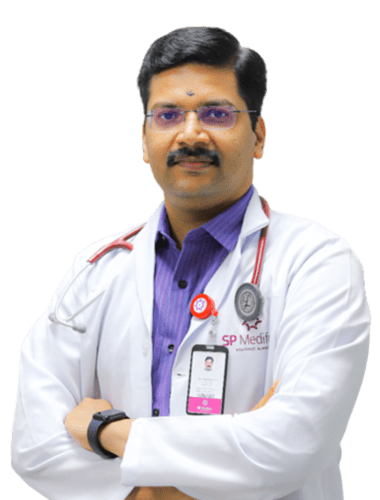
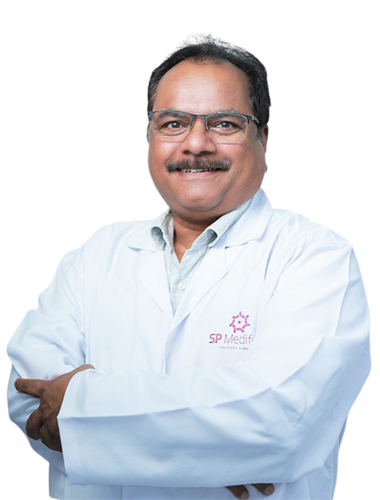
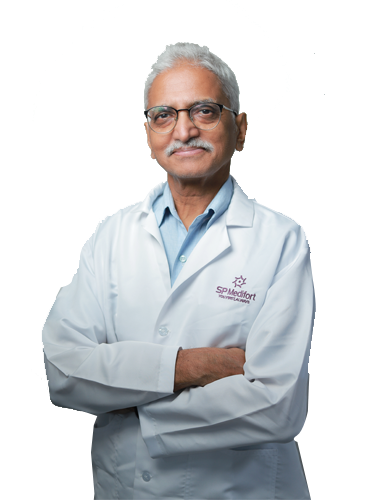
Expert Cardiologists in Kerala


 Book Now



Why do you need a heart check?
A regular health check-up will ensure that one’s body continues to be healthy and can help detect any potential health problems early so that take steps can be taken to prevent them from becoming more serious. It helps to identify risk factors for certain diseases. For example, if high BP or cholesterol levels are detected in a person, they may be advised to make lifestyle changes to reduce their risk of developing heart disease or having a stroke. A health check-up also allows your cardiology doctor to monitor the progress of any ongoing illness, even if it is chronic in nature, and to make necessary changes to the treatment plan.
Benefits of a Regular Heart Check-up
- Increases the chance of leading a healthy life
- Reduces the risk of late diagnosis
- Timely detection of any serious or life-threatening condition
- Increased chances of planning the treatment on time
- Reduces the treatment cost
It is advisable to go for a heart health check-up at least once a year because many health problems do not show any symptom in the early stages. It may detect health problems early when they are most easily treatable.
Heart Check Packages

-
Complete Hemogram (CBC, ESR)
-
Diabetic Profile (HbA1C, Fasting BS, PPBS)
-
Renal Profile (Urea, Serum Creatinine, Uric acid)
-
Lipid Profile
-
Liver Function Test
-
Thyroid profile (T3, T4, TSH)
-
Urine Routine Analysis
-
X-Ray Chest PA
-
Ultrasound Whole Abdomen
-
ECG
-
Echo Cardiogram
-
Cardiac Stress Analysis (TMT)
-
Height, Weight, BMI, WHR
-
Diet Counselling
-
Physician – Family Medicine consultation
-
Cardiac Consultation
-
One Optional Consultation
-
Complimentary Breakfast & Lunch
Package Rate 4999
SP Medifort Champion Heart Care Check

-
Routine Blood Exam
-
Diabetic Profile (HbA1C, Random BS)
-
Renal Profile (Urea, Serum Creatinine, Uric acid)
-
Lipid Profile
-
Urine Routine Analysis
-
ECG
-
Echo Cardiogram screening
-
Cardiac Stress Analysis (TMT)
-
Height, Weight, BMI, WHR
-
Diet Counselling
-
Physician – Family Medicine consultation
-
Cardiac Consultation
-
Complimentary Breakfast & Lunch
Package Rate 2799
SP Medifort Healthy Heart Care Check

-
Routine Blood Exam
-
Diabetic Profile (HbA1C, Random BS)
-
Renal Profile (Urea, Serum Creatinine, Uric acid)
-
Lipid Profile
-
ECG
-
Echo Cardiogram screening
-
Height, Weight, BMI, WHR
-
Diet Counselling
-
Physician – Family Medicine consultation
-
Cardiac Consultation
Package Rate 999
FAQs
FAQs
Common early symptoms include chest pain, shortness of breath, fatigue, palpitations, dizziness, swelling in the legs, and discomfort in the neck, jaw, or arms. If these symptoms persist, immediate medical evaluation is recommended.
You should see a cardiologist if you experience persistent chest pain, breathlessness, irregular heartbeats, unexplained fatigue, high blood pressure, or a family history of heart disease.
Angiography is a diagnostic test that uses dye and X-ray imaging to identify blocked arteries. Angioplasty is a treatment procedure where a balloon and stent are used to open the blocked artery.
Yes. Regular exercise, a balanced diet, quitting smoking, controlling blood pressure and diabetes, and routine health check-ups can significantly reduce the risk.
Yes. SP Medifort provides round-the-clock emergency cardiac services, including Primary Angioplasty and advanced cardiac interventions.
SP Medifort offers advanced services including OCT-guided interventions, Atherectomy, PTCA, and TAVI for structural and coronary heart disease.