Loading...
Loading...
Loading...
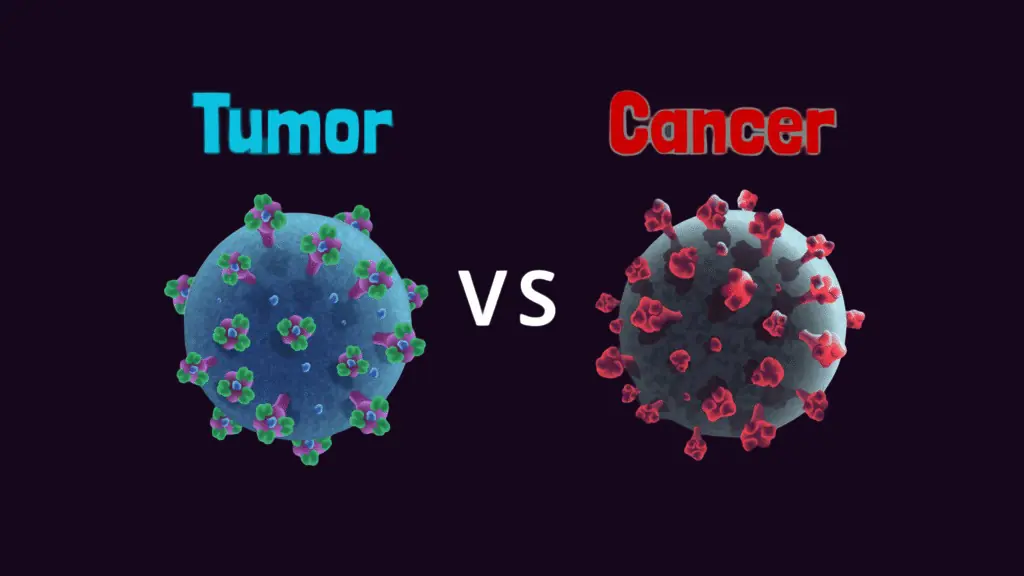
The terms tumor and cancer are often used interchangeably in everyday conversations, which can cause confusion and fear. While both involve abnormal cell growth, they are not the same condition. Understanding the difference between a tumor and cancer helps patients make informed decisions, recognize warning signs early, and seek timely medical care.
At SP Medifort, our goal is to empower patients with accurate medical knowledge so that fear is replaced with clarity and confidence.
A tumor refers to an abnormal mass of tissue formed due to uncontrolled cell growth.
Cancer, on the other hand, is a disease in which abnormal cells grow uncontrollably, invade surrounding tissues, and may spread to other parts of the body.
A tumor develops when cells divide faster than normal or do not die when they should. Tumors can develop almost anywhere in the body—organs, bones, muscles, skin, or glands
Benign tumors are non-cancerous growths that usually:
Examples include:
Malignant tumors are cancerous and:
Cancer is a disease caused by uncontrolled and abnormal cell growth that spreads beyond its original site. Cancer cells differ from normal cells because they:
Some cancers, such as leukemia, do not form solid tumors and instead affect the blood and bone marrow.
Tumors are abnormal growths of tissue caused by uncontrolled cell division. However, not all tumors are dangerous. They are broadly classified into benign and malignant tumors based on their behavior, growth pattern, and impact on the body. Understanding the difference between the two helps patients reduce unnecessary fear and seek timely medical care when needed.
Benign tumors are non-cancerous growths. They develop when cells grow abnormally but remain under control to some extent. Malignant tumors, on the other hand, are cancerous and consist of aggressive cells that grow uncontrollably and disrupt normal body functions.
Benign tumors usually grow slowly over a long period of time. Their growth is often predictable and limited. Malignant tumors tend to grow rapidly, sometimes within weeks or months, making early detection crucial.
One of the most important differences lies in the ability to spread. Benign tumors do not spread to other parts of the body. They remain localized to their original site. Malignant tumors can invade nearby tissues and spread to distant organs through the blood or lymphatic system, a process known as metastasis.
Benign tumors usually push surrounding tissues aside without damaging them. Malignant tumors invade and destroy healthy tissues, which can impair the function of organs and cause serious complications.
Once removed, benign tumors rarely return. Malignant tumors, however, can recur even after surgery, chemotherapy, or radiation therapy, which is why long-term follow-up is often required.
Benign tumors are generally not life-threatening, though they may cause discomfort or complications if they grow large or press on vital structures like nerves or blood vessels. Malignant tumors can be life-threatening if not diagnosed and treated early.
Benign tumors may only require observation and regular check-ups. Malignant tumors demand prompt medical intervention, continuous monitoring, and sometimes long-term treatment plans involving multiple specialties.
While both benign and malignant tumors involve abnormal cell growth, their behavior and impact on health are very different. Benign tumors are typically harmless and manageable, whereas malignant tumors represent cancer and require urgent medical care. Early diagnosis and expert evaluation are essential to determine the nature of any tumor and ensure the best possible outcome.
In some cases, yes. Certain benign tumors have the potential to become malignant over time if left untreated. This is why:
Early diagnosis allows doctors to:
Consult a doctor if you notice:
Early symptoms are often mild—listening to your body is critical.
Cancer screening detects cancer before symptoms appear, when treatment is most effective.
Recommended Screening
Regular screening can significantly reduce cancer-related mortality.
Treatment depends on:
Hearing the words “tumor” or “cancer” can be frightening, but understanding the difference brings clarity and control. Advances in medical science have made early detection and treatment more effective than ever.
If you notice unusual symptoms or have concerns, consult the specialists at SP Medifort for accurate diagnosis, compassionate care, and comprehensive cancer management.