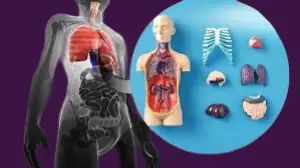
Multi-organ failure is a life-threatening medical emergency in which two or more vital organs fail simultaneously. It commonly develops as a complication of severe infection, trauma, major surgery, or prolonged critical illness. Without immediate and expert critical care, multi-organ failure can progress rapidly and significantly increase the risk of mortality. At SP Medifort Hospital, advanced ICU infrastructure, experienced critical care specialists, and a multidisciplinary treatment approach play a crucial role in managing this complex condition, making the hospital a trusted center for critical care for multi-organ failure in Kerala and South India.
Multi-organ failure often affects organs such as the lungs, kidneys, liver, heart, and brain. In many cases, it is triggered by uncontrolled infection or sepsis, where widespread inflammation disrupts blood flow and oxygen delivery to vital tissues. Patients with underlying conditions such as diabetes, chronic kidney disease, heart disease, or weakened immunity are at a higher risk. In Kerala, where lifestyle-related illnesses and infection-related complications are increasingly common, early access to advanced ICU care in Kerala becomes essential for survival.
Understanding Multi-Organ Failure and How It Develops
The progression of multi-organ failure usually begins when the body is overwhelmed by severe stress such as infection, trauma, or shock. These underlying multi-organ failure causes lead the immune system to release inflammatory mediators that, instead of protecting the body, begin to damage healthy tissues. This results in impaired circulation, reduced oxygen supply, and progressive organ dysfunction.
Sepsis remains one of the leading sepsis complications causing multi-organ failure in South India. When sepsis is not controlled early, it can result in septic shock, causing sudden drops in blood pressure and widespread organ damage. In such cases, timely intervention and ICU management of multi-organ failure become critical. At SP Medifort Hospital, early identification protocols and rapid escalation to intensive care support help slow disease progression and improve outcomes.
Multi-Organ Failure Symptoms That Require Emergency Care
Multi-organ failure symptoms can vary depending on the organs involved, but they often worsen quickly. Patients may experience severe breathing difficulty, reduced urine output, confusion or altered consciousness, persistent low blood pressure, jaundice, and extreme fatigue. As organ dysfunction progresses, patients may become unresponsive or require immediate life-support measures.
In advanced stages, life-support therapies such as mechanical ventilation or dialysis may be required. Because these multi-organ failure symptoms can escalate within hours, delays in treatment can be fatal. Families seeking immediate and specialized care often turn to hospitals with strong critical care capabilities, which is why SP Medifort Hospital is widely regarded among the best hospitals for multi-organ failure treatment in South India.
Advanced ICU Management of Multi-Organ Failure at SP Medifort Hospital
Effective multi-organ failure treatment requires continuous monitoring, rapid decision-making, and coordinated care across multiple specialties. At SP Medifort Hospital, ICU management of multi-organ failure focuses on stabilizing vital functions while addressing the underlying cause of organ damage.
Patients receive advanced life-support therapies, including mechanical ventilation for respiratory failure, renal replacement therapy for kidney dysfunction, and medications to support heart function and blood pressure. In cases related to infection-driven multi-organ failure causes, aggressive infection control and targeted antimicrobial therapy are initiated early. This comprehensive approach ensures high-quality critical care for multi-organ failure, even in severe and high-risk cases.
Why SP Medifort Hospital Is a Trusted Choice for Multi-Organ Failure Care in South India
Successful management of multi-organ failure in South India cases depends on timely diagnosis, advanced infrastructure, and experienced critical care teams. SP Medifort Hospital integrates modern ICU technology, round-the-clock intensivist support, and multidisciplinary collaboration to deliver safe and effective multi-organ failure treatment.
Patients from across Kerala and neighboring regions seek care here because of the hospital’s ability to manage complex organ dysfunction and critical illness with precision and compassion. This capability-driven approach defines SP Medifort Hospital’s position as one of the best hospitals for critical care for multi-organ failure in South India.
Recovery and Long-Term Care After Multi-Organ Failure
Recovery following multi-organ failure treatment is often gradual and requires long-term medical support. Patients may need extended rehabilitation, nutritional therapy, and continuous monitoring of affected organs. Addressing underlying multi-organ failure causes, such as infection, diabetes, or vascular disease, is essential to prevent recurrence. SP Medifort Hospital provides structured post-ICU care and follow-up services to support recovery and improve quality of life after severe organ dysfunction.
Conclusion
Multi-organ failure is a critical condition that demands immediate and expert medical attention. Early recognition of multi-organ failure symptoms, prompt ICU admission, and advanced ICU management of multi-organ failure can significantly improve survival outcomes. With its advanced intensive care facilities, experienced multidisciplinary teams, and patient-centered approach, SP Medifort Hospital continues to be recognized as a leading center for multi-organ failure treatment in Kerala and South India.
 Loading...