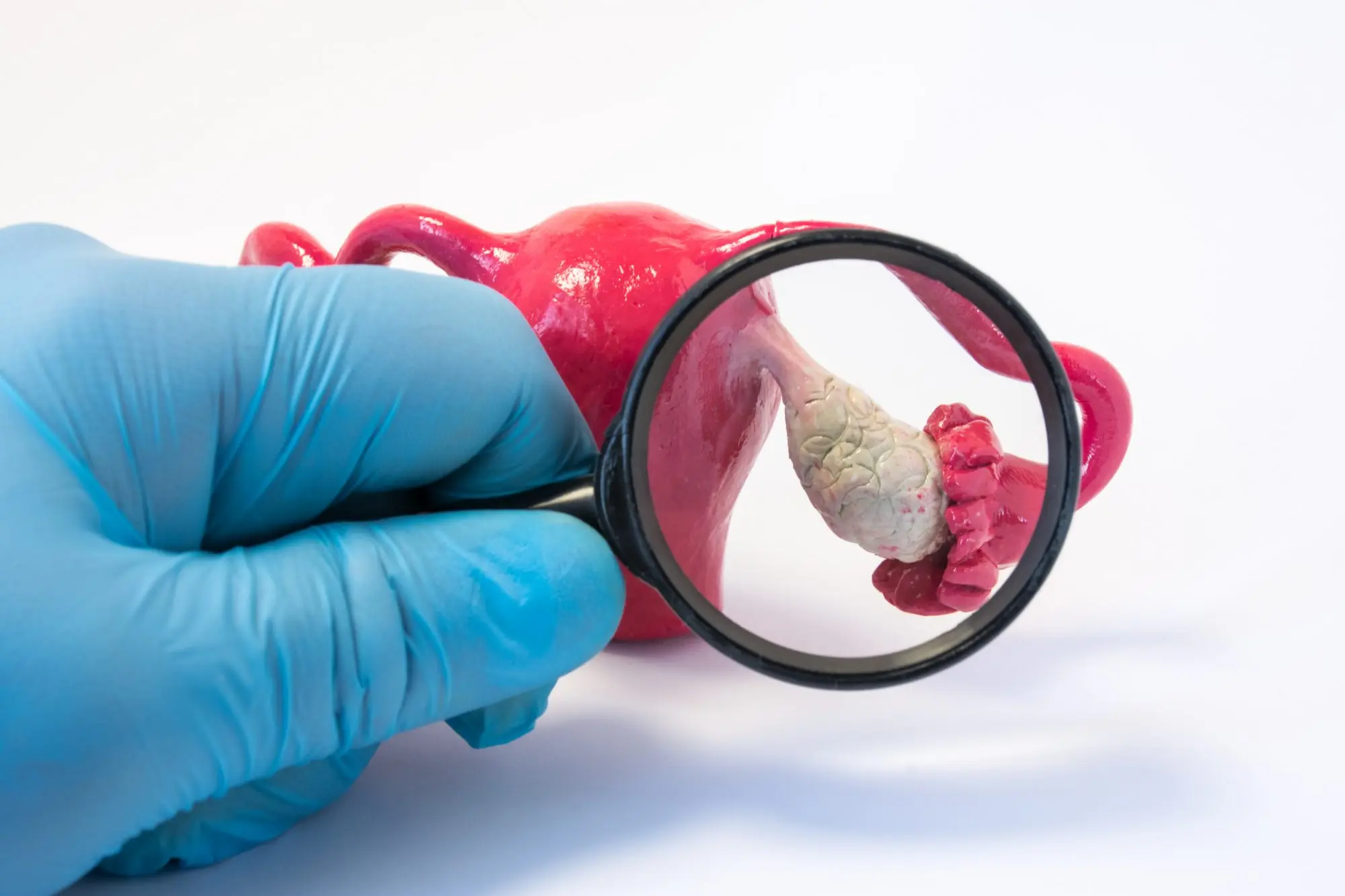
Polycystic Ovary Syndrome (PCOS) is one of the most common hormonal disorders in women, affecting the ovaries and overall reproductive system. Despite its prevalence, many women remain unaware of the condition, which can lead to delayed diagnosis and treatment. PCOS is not only a cause of infertility in women but also has significant implications for long-term health, including metabolism, cardiovascular risk, and emotional well-being. At SP Medifort Hospital, our Gynecology and Women’s Health Department offers comprehensive care, expert evaluation, and personalized management plans for women living with PCOS.
What is Polycystic Ovary Syndrome?
Polycystic Ovary Syndrome is characterized by hormonal imbalance in women, often leading to the formation of multiple ovarian cysts. The ovaries may produce higher-than-normal levels of male hormones, or androgens, which disrupt the menstrual cycle and prevent ovulation. This hormonal disruption can result in irregular periods, difficulty conceiving, and chronic metabolic concerns. While many associate PCOS with reproductive challenges, it is important to recognize that it affects multiple aspects of a woman’s health, including skin, hair, weight, and even mental health. Early recognition of PCOS symptoms is crucial for effective management and prevention of long-term complications.
What are the causes of PCOS?
The causes of Polycystic Ovary Syndrome are multifactorial. Elevated androgen levels, insulin resistance, genetic predisposition, chronic inflammation, and lifestyle factors all contribute to the development and progression of the condition. Women with a family history of PCOS are more likely to develop the disorder, and those experiencing obesity or a sedentary lifestyle may see a worsening of PCOS symptoms. Hormonal imbalance in women, particularly insulin and androgen dysfunction, plays a central role in the formation of ovarian cysts, excessive hair growth (hirsutism), acne, and other metabolic disturbances. Understanding these underlying causes allows our specialists to provide tailored treatment plans that address both reproductive and metabolic health.
What are the symptoms of PCOS?
The symptoms of PCOS vary from woman to woman, but common signs include irregular menstrual cycles, ovarian cysts, infertility, excessive hair growth, acne, thinning hair on the scalp, and weight gain, often around the abdomen. Skin changes, such as darkened patches known as acanthosis nigricans, are also frequent in women with PCOS, while fatigue, mood swings, and emotional stress can further affect daily life. Many women notice difficulty conceiving due to PCOS-related infertility, and some only realize they have the condition when they seek help for fertility issues. Because the symptoms are diverse and can develop gradually, early consultation with a gynecologist is essential for diagnosis and timely intervention.
How to Diagnose PCOS?
Diagnosing Polycystic Ovary Syndrome requires a combination of clinical evaluation, blood tests, and imaging studies. Hormonal assessments measure levels of testosterone, luteinizing hormone, follicle-stimulating hormone, and insulin, helping to detect underlying hormonal imbalances in women. Ultrasound imaging allows doctors to confirm the presence of multiple ovarian cysts, a hallmark of PCOS, while metabolic assessments help identify insulin resistance or other associated conditions. At SP Medifort Hospital, our gynecology team conducts comprehensive evaluations to ensure accurate PCOS diagnosis and to tailor a treatment plan to each patient’s unique health profile.
Management of PCOS
Managing PCOS involves a combination of medical therapy, lifestyle interventions, and, in certain cases, surgical procedures. Medications may include oral contraceptives to regulate irregular periods treatment and reduce androgen levels, anti-androgen drugs to manage excessive hair growth, and fertility treatments to support ovulation for women facing PCOS-related infertility. Metabolic medications such as metformin can improve insulin sensitivity, reduce weight gain, and lower the risk of type 2 diabetes. Lifestyle changes play a critical role in management, with balanced nutrition, regular exercise, and stress reduction helping to mitigate PCOS flare-ups, improve hormonal balance, and support overall health. For women with persistent symptoms or severe infertility, minimally invasive surgical options such as laparoscopic ovarian drilling may be recommended. Our Gynecology Surgery Center provides expert surgical care using the latest technologies to enhance outcomes and reduce recovery time.
PCOS as part of life
Living with Polycystic Ovary Syndrome requires ongoing monitoring, awareness, and supportive care. Regular check-ups allow for monitoring of hormone levels, metabolic health, and reproductive function, while emotional support helps women cope with the stress, anxiety, or self-esteem issues that often accompany PCOS. At SP Medifort Women’s Health Counseling Services, we provide guidance and mental health support to complement medical treatment, ensuring a holistic approach to managing PCOS.
Risks of untreated PCOS
Untreated PCOS can lead to serious long-term complications, including persistent infertility, type 2 diabetes, cardiovascular disease, sleep apnea, and an increased risk of endometrial hyperplasia or uterine cancer. Early diagnosis, proactive management, and lifestyle interventions are therefore essential to prevent these outcomes and improve overall well-being.
Conclusion
Polycystic Ovary Syndrome is a condition that, when managed effectively, allows women to lead healthy, fulfilling lives. If you experience irregular periods, ovarian cysts, excessive hair growth, or difficulty conceiving, it is important to seek professional evaluation. At SP Medifort Hospital, our multidisciplinary team provides comprehensive gynecology care for PCOS, offering personalized treatment plans, long-term support, and expert guidance to help women manage their condition successfully and maintain overall health.
 Loading...