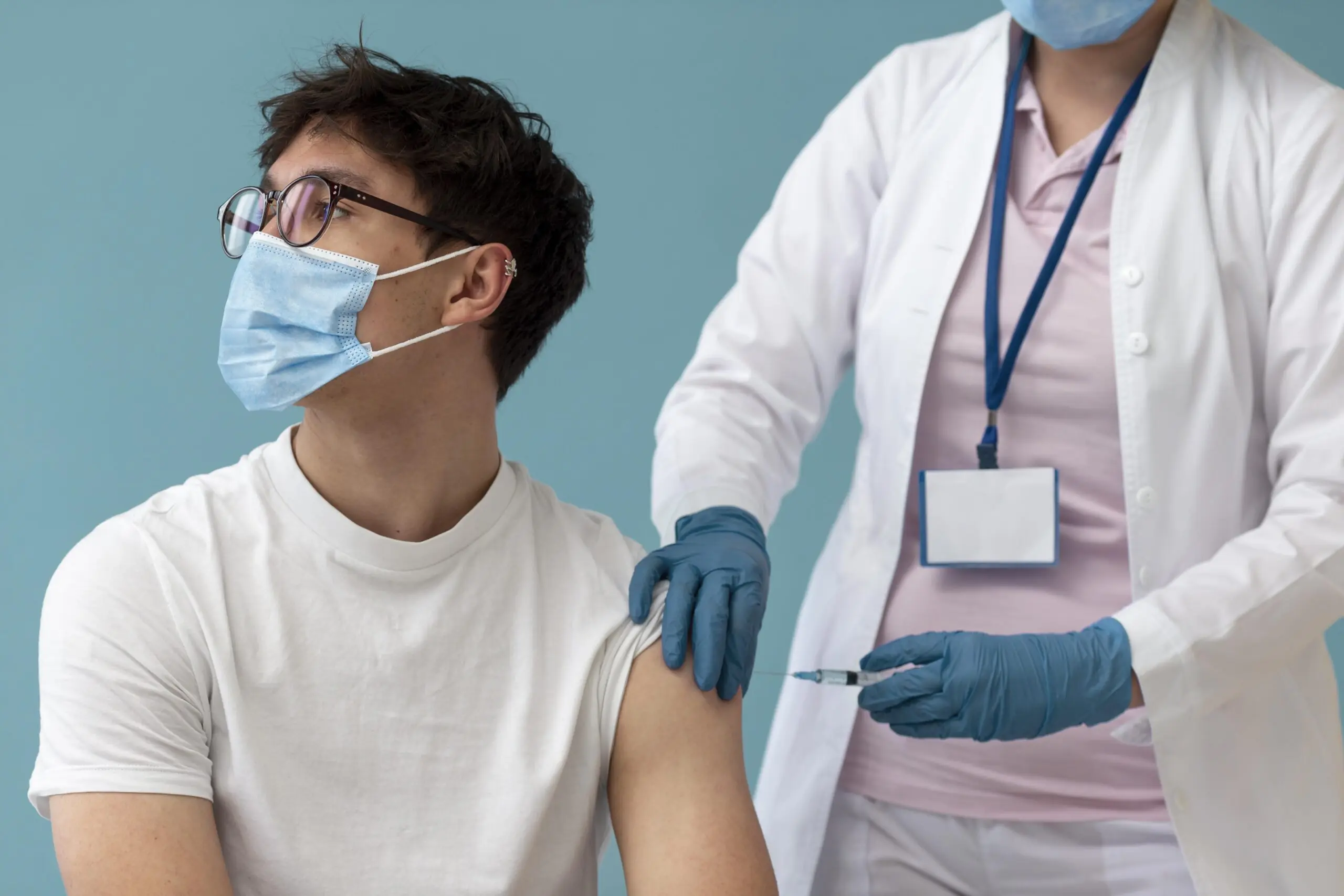
Vaccines have played a critical role in protecting human health and preventing life-threatening diseases. From eradicating smallpox to controlling polio, measles, and tetanus, immunization has saved millions of lives worldwide. Yet, despite overwhelming scientific evidence, misinformation and myths about vaccines continue to create fear and confusion among the public.
In Kerala—where health awareness is high—questions around vaccine safety, side effects, and necessity still arise. This blog aims to clear misconceptions, explain the science behind vaccines, and help individuals and parents make informed decisions about immunization.
What Are Vaccines, and How Do They Work?
Vaccines work by training the immune system to recognize and fight harmful germs such as viruses or bacteria. They contain weakened, inactivated, or partial components of a pathogen that stimulate the body to produce antibodies without causing the disease.
Once vaccinated, the immune system “remembers” the pathogen and responds quickly if exposed in the future, preventing severe illness or complications.
Vaccines protect not only individuals but also communities through herd immunity, which is especially important for infants, elderly individuals, pregnant women, and people with weakened immune systems.
Common Vaccine Myths vs Facts
Myth 1: Vaccines Are Not Safe
Fact:
Vaccines go through rigorous clinical trials and continuous safety monitoring before and after approval. In India, vaccines are approved by regulatory authorities and recommended by global health organizations like the WHO. Serious side effects are extremely rare, while the benefits far outweigh the risks.
Myth 2: Vaccines Can Cause the Disease They Are Meant to Prevent
Fact:
Vaccines do not cause the disease. Most vaccines use inactivated or weakened forms of pathogens that cannot cause illness. Some people may experience mild symptoms such as fever or soreness, which is a sign that the immune system is responding.
Myth 3: Natural Immunity Is Better Than Vaccine-Induced Immunity
Fact:
While natural infection can create immunity, it also comes with serious risks such as complications, hospitalization, or even death. Vaccines provide immunity safely without exposing individuals to these dangers.
Myth 4: Children Receive Too Many Vaccines
Fact:
The childhood immunization schedule is carefully designed to protect children at the right age when they are most vulnerable. A child’s immune system is capable of handling multiple vaccines safely and effectively.
Myth 5: Vaccines Cause Autism
Fact:
There is no scientific evidence linking vaccines to autism. This claim originated from a discredited study that has since been withdrawn. Numerous large-scale studies worldwide have confirmed that vaccines are safe.
Myth 6: Adults Don’t Need Vaccines
Fact:
Vaccination is important at all ages. Adults may need booster doses or vaccines for influenza, hepatitis, tetanus, pneumonia, COVID-19, and travel-related illnesses. Immunity can decrease over time, making adult vaccination essential.
Importance of Vaccination in Kerala
Kerala’s dense population and frequent travel make vaccination crucial for preventing outbreaks. Seasonal infections, viral fevers, and communicable diseases can spread rapidly if immunization coverage drops.
Vaccination is especially important for:
- Infants and children
- Pregnant women
- Senior citizens
- People with diabetes, heart disease, or respiratory conditions
- Healthcare and frontline workers
Addressing Vaccine Hesitancy
Vaccine hesitancy often stems from misinformation, fear of side effects, or lack of awareness. Consulting qualified doctors, relying on credible medical sources, and discussing concerns openly can help individuals make confident health decisions.
Hospitals and healthcare providers play a vital role in educating families and ensuring timely immunization.
Final Thoughts
Vaccines are one of the most effective and safest tools in modern medicine. Understanding the facts and separating myths from reality empowers individuals to protect themselves, their families, and the wider community.
If you have questions about vaccination schedules, safety, or eligibility, consult your healthcare provider for personalized guidance.
 Loading...